SiPh breakthrough cuts optical loss

Caltech researchers demonstrate near fibre-like performance on silicon with ultra-low optical loss.
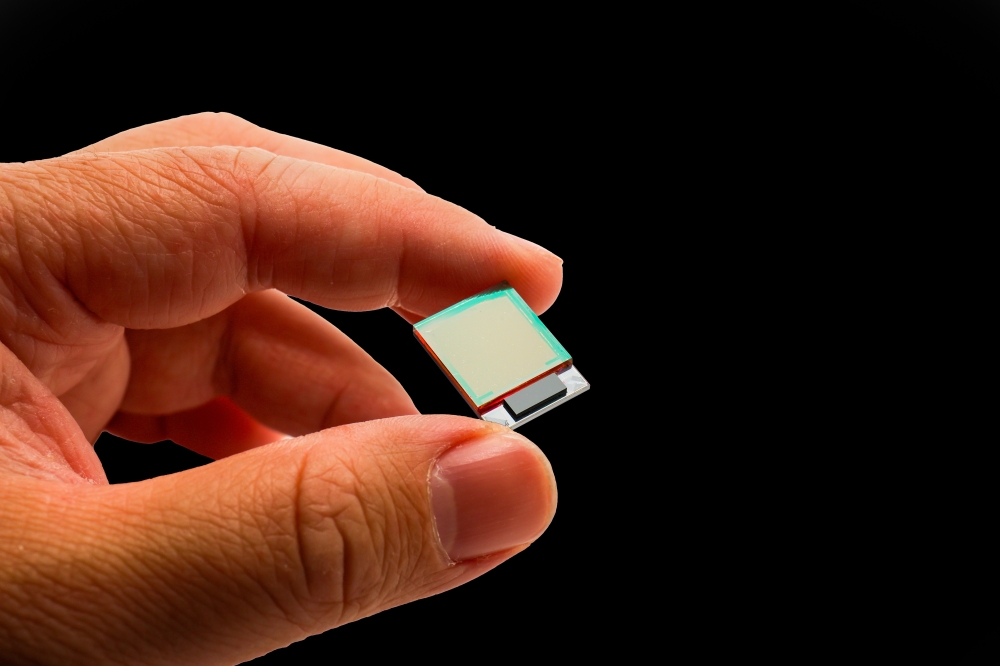
Researchers at the California Institute of Technology have unveiled a new class of silicon photonic chips capable of guiding light with performance approaching that of optical fibre, marking a significant milestone for PICs.
The breakthrough centres on a novel photonic platform that enables ultra-low optical loss across silicon wafers, including at visible wavelengths, an area where traditional PIC technologies have struggled.
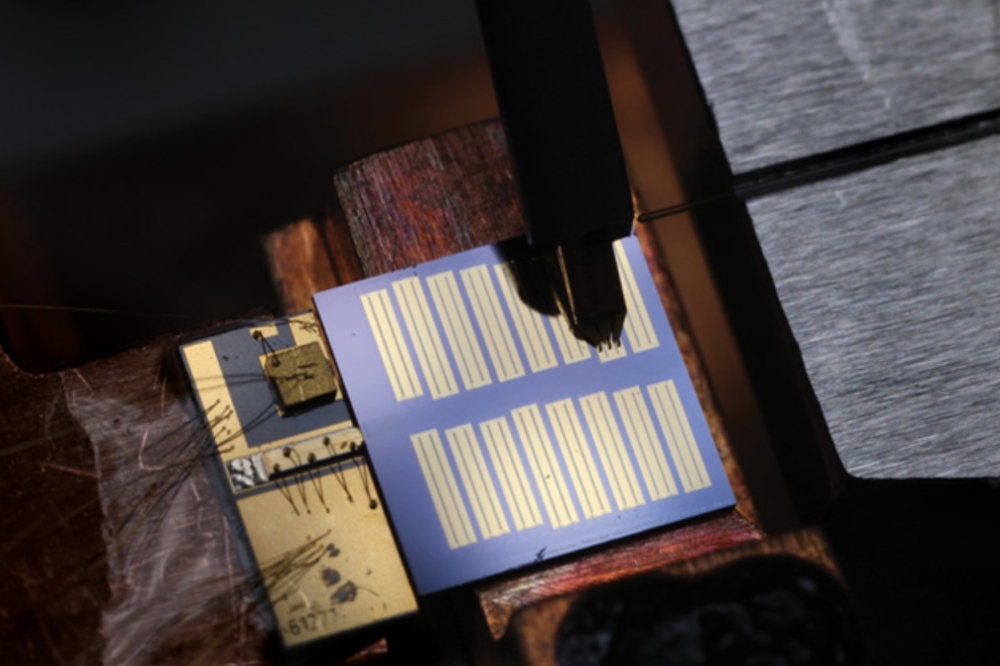
Using germanium-silicate glass, a material commonly found in optical fibre, the team successfully fabricated waveguides directly onto standard 8-inch and 12-inch semiconductor wafers using industry-compatible lithography techniques.
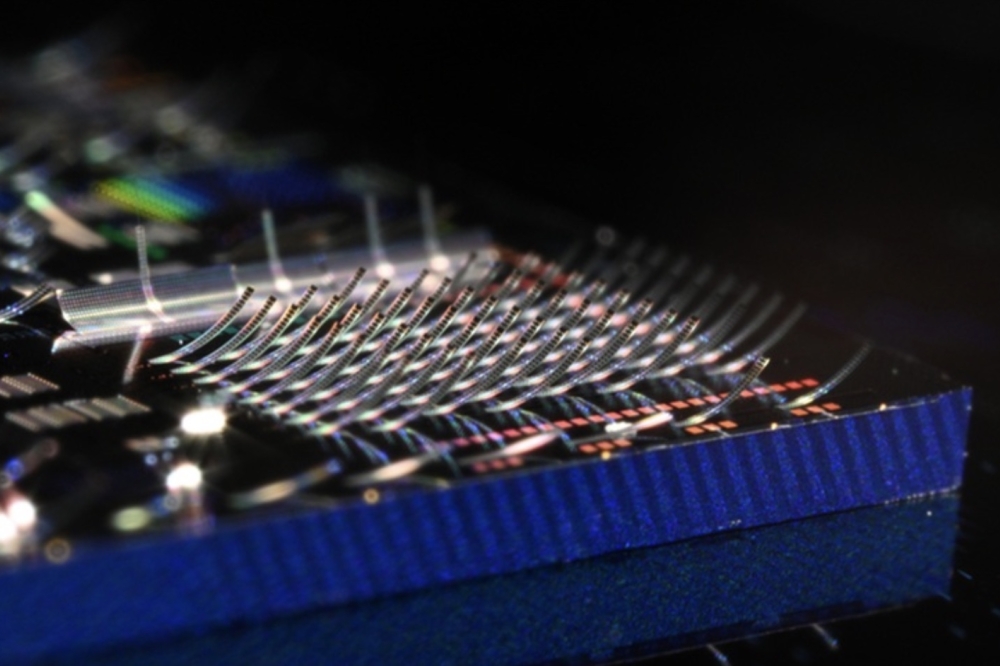
To maximise optical path length while maintaining compact chip dimensions, the researchers arranged the waveguides in dense spiral patterns across the wafer surface.
A key innovation lies in the material’s relatively low melting temperature, which allows the waveguide structures to undergo thermal reflow.
This smoothing process reduces surface roughness to near atomic levels, significantly minimising scattering losses, a persistent challenge in visible-light photonics.
According to the research team, the new platform rivals leading silicon nitride technologies in the near-infrared spectrum and surpasses them in the visible spectrum, achieving optical loss levels up to 20 times lower than previous records.
The implications are far-reaching for the PIC ecosystem. Lower-loss photonic circuits could enable more coherent laser systems, enhance quantum computing architectures, and improve the performance of precision sensing technologies.
Additionally, the development supports ongoing efforts to create faster and more energy-efficient optical interconnects for next-generation data centres.
As demand for high-bandwidth, low-power computing infrastructure continues to grow, advances like this highlight the increasing role of integrated photonics in shaping the future of semiconductor technology.