New Origin & imec scale SiN PICs

Collaboration aims to industrialise silicon nitride photonic IC production and strengthen Europe’s supply chain.
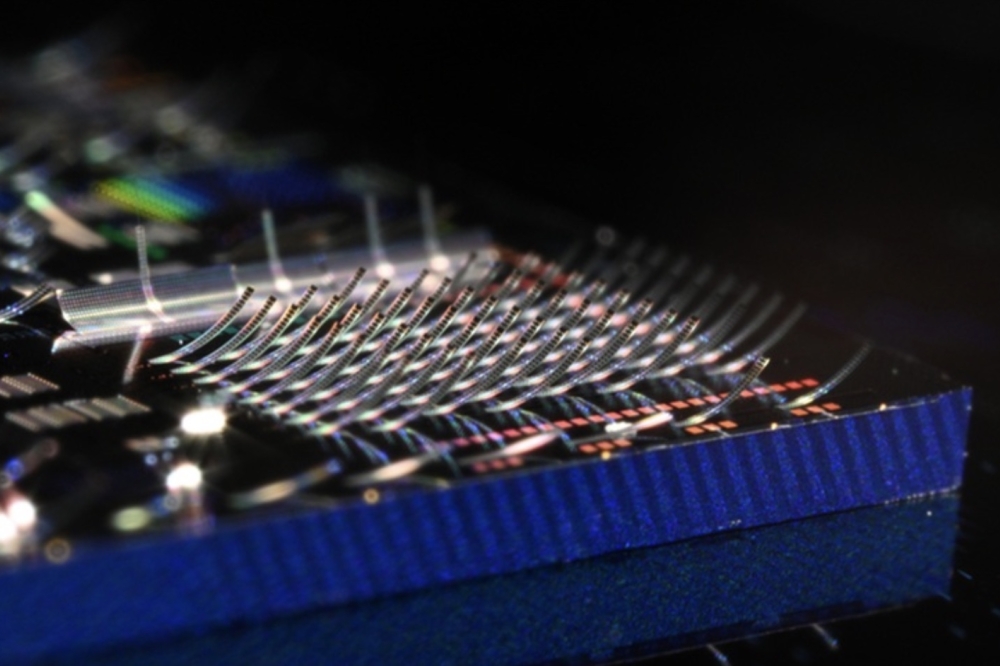
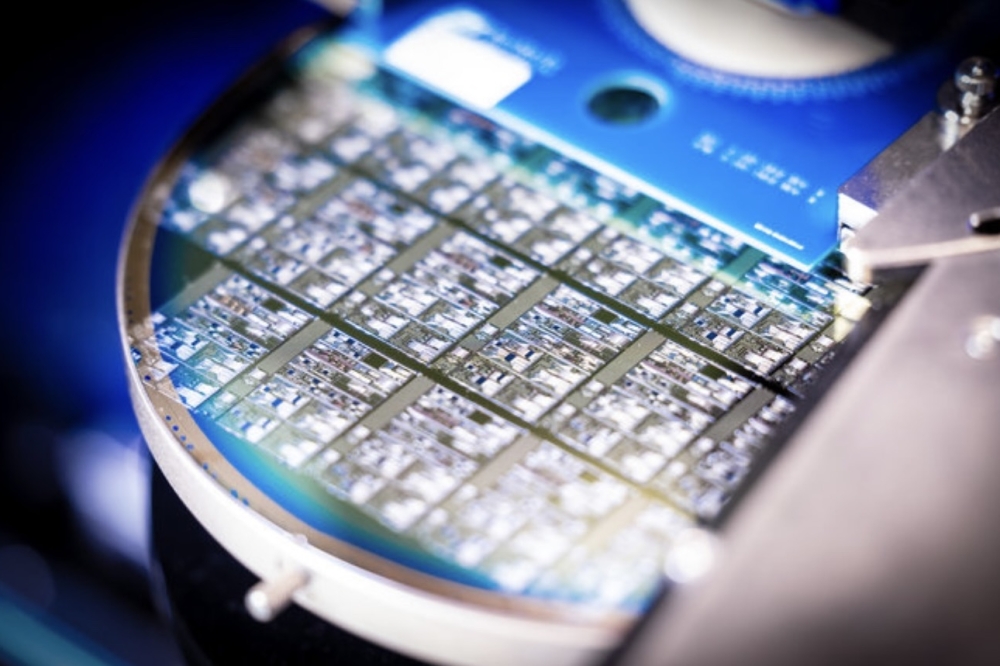
New Origin has announced a collaboration with imec to scale the manufacturing of silicon nitride (SiN) photonic integrated circuits (PICs) in an industrial environment.
Under the agreement, imec will transfer its LPCVD silicon nitride PIC platform to New Origin, enabling the foundry to meet growing demand for photonic chips across applications, including datacom, healthcare, defence, and quantum technologies.
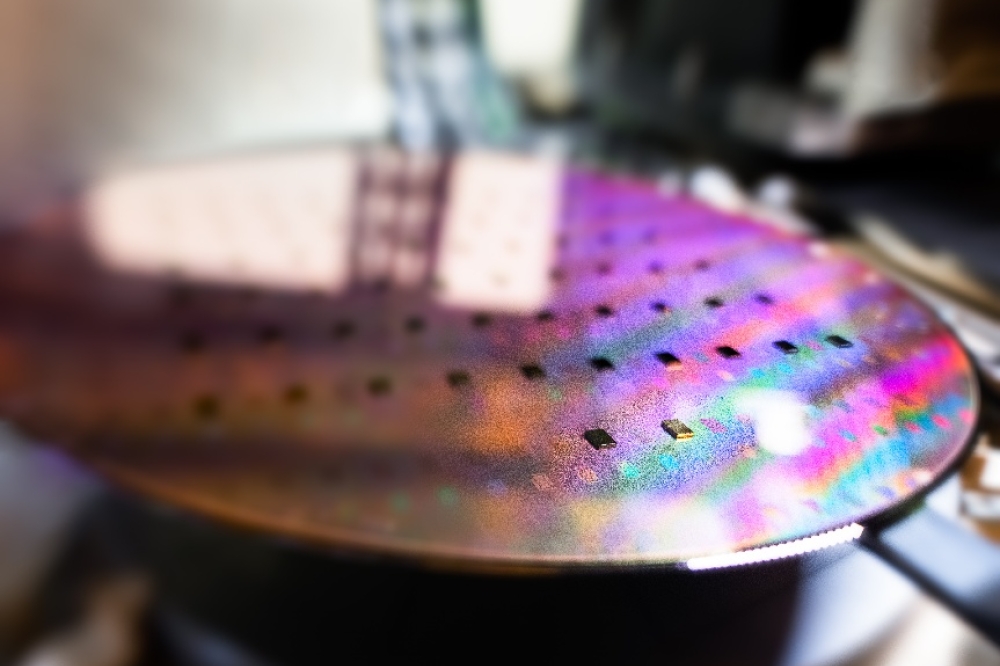
The partnership will also support the scale-up of manufacturing on 200mm wafers using advanced photolithography within New Origin’s industrial facilities.
The collaboration is intended to accelerate the transition of SiN PIC technology from research to high-volume production, while supporting non-CMOS-compatible processes and materials. Both organisations will continue joint development efforts to enhance silicon nitride platforms and integrate new materials and processes.
“We’re excited about this collaboration, which allows us to shorten the time to volume production for customers and strengthens the industrialisation of PIC technology in Europe,” said Twan Korthorst. “With our plans to reach a manufacturing capacity of 50,000 wafers per year, we aim to strengthen the European supply chain and unlock the next wave of innovation.”
Imec highlighted the performance advantages of its silicon nitride platform, particularly its ultra-low optical loss and wide wavelength operation, spanning from visible to short-wave infrared.
These characteristics make the technology well-suited for emerging applications such as biosensing, augmented and virtual reality, and quantum photonics.
“With a proven track record on manufacturability in imec’s state-of-the-art fab, this collaboration enables us to accelerate photonics innovation and bring next-generation solutions to market,” said Philippe Absil.
The partnership reflects growing momentum behind silicon nitride PICs, which are gaining traction not only in hyperscale data centres and AI-driven optical interconnects, but also in a broader range of applications requiring ultra-low loss and operation beyond traditional telecom wavelengths.