Lithium tantalate for photonics
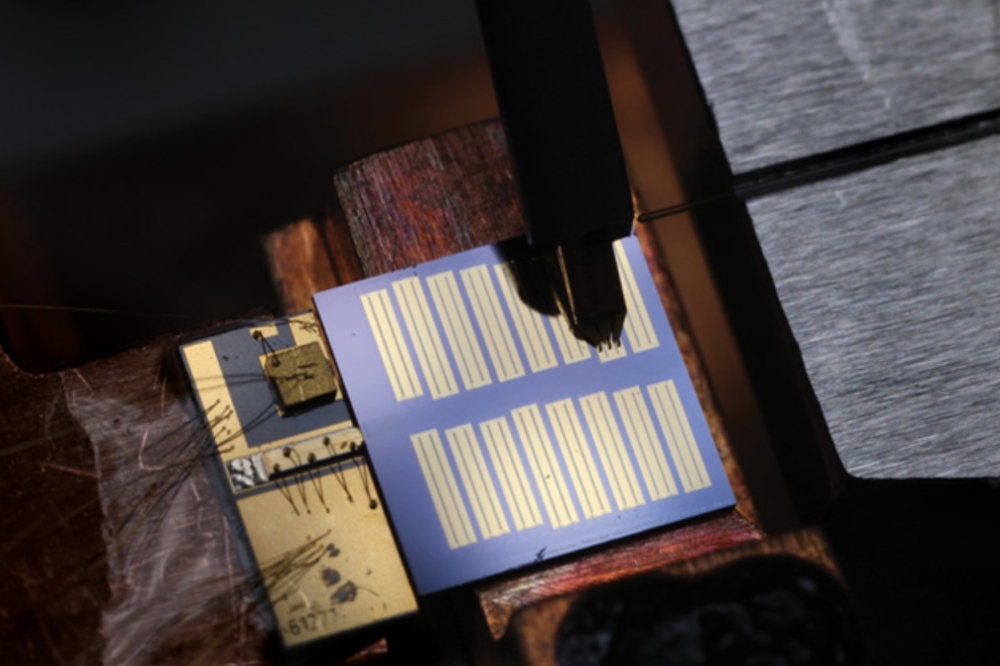
Lithium tantalate is gaining attention as a potential alternative to established materials for photonic integrated circuits, offering a combination of high performance and improved manufacturability for next-generation optical devices.
Researchers at École Polytechnique Fédérale de Lausanne (EPFL) have demonstrated that thin-film lithium tantalate can deliver electro-optic performance comparable to lithium niobate, while addressing key limitations such as high birefringence and stability issues.
The material’s lower birefringence enables more compact and complex photonic circuit designs, while its enhanced thermal and optical stability supports more reliable device operation.
Recent work has shown that lithium tantalate modulators can achieve data rates exceeding 400 Gbit/s, alongside reduced signal drift and lower optical losses compared with lithium niobate-based devices.
The platform has also enabled the development of electro-optic frequency combs with significantly wider spectral bandwidths, highlighting its potential for advanced applications.
Unlike lithium niobate, lithium tantalate benefits from an existing high-volume manufacturing base driven by its use in acoustic filters, which could help reduce wafer costs and improve scalability for photonics.
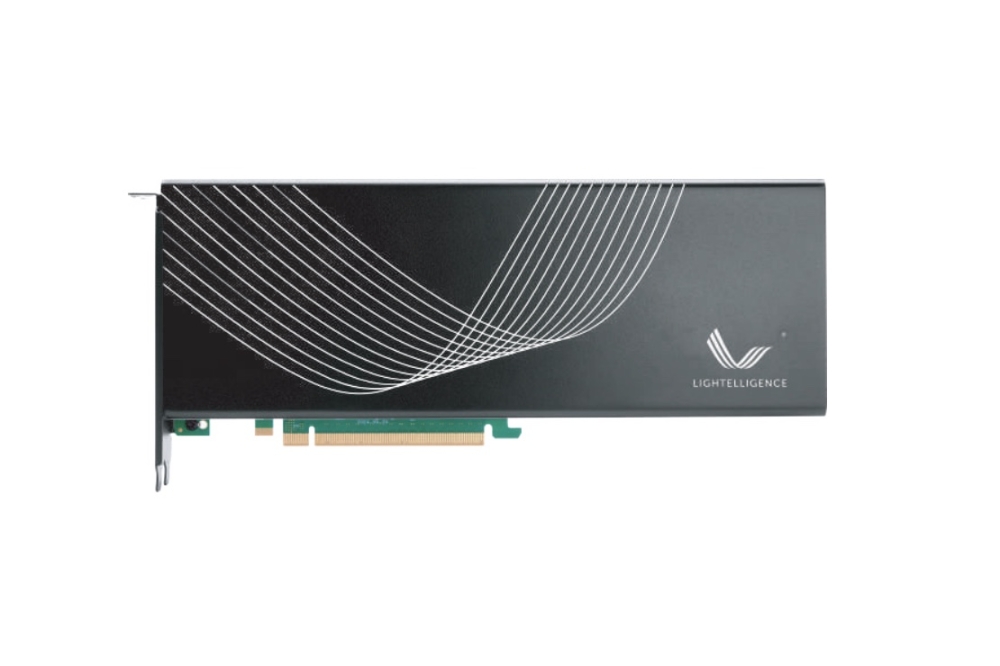
Commercial progress is already underway, with companies such as Luxtelligence offering foundry services for lithium tantalate devices and others developing modulators for applications ranging from datacomms to quantum technologies.
While silicon photonics remains dominant for cost-sensitive, high-volume applications, lithium tantalate is emerging as a strong candidate for use cases requiring higher bandwidth, lower power consumption, and improved stability, particularly in AI-driven data centres and high-performance optical interconnects.