Twente enhances SiN chip signals

Tellurium oxide layer enables stronger light–sound interaction for ultra-pure RF signals on photonic chips.
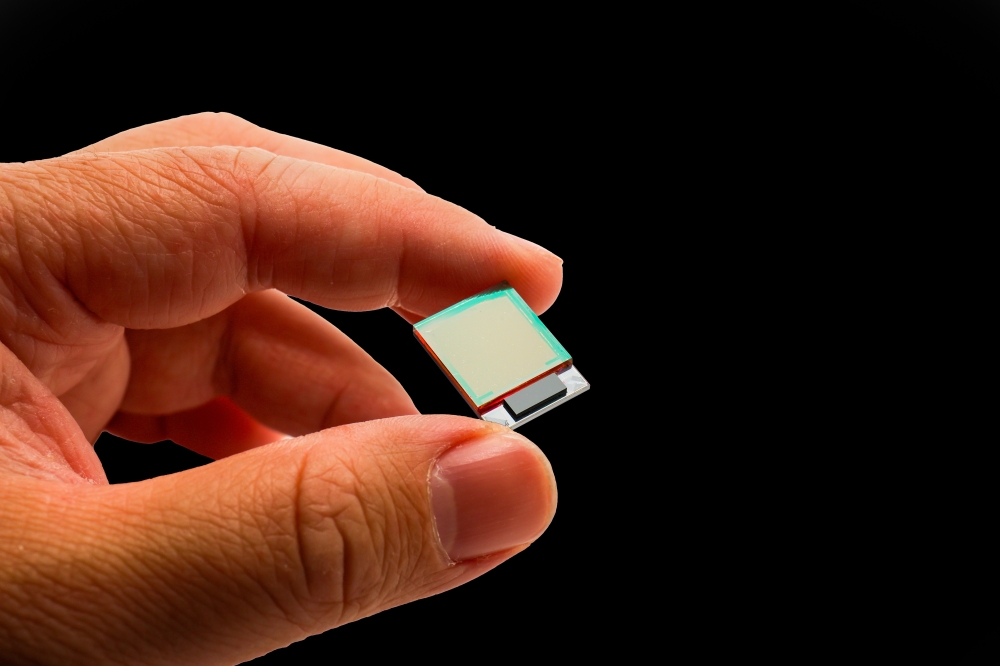
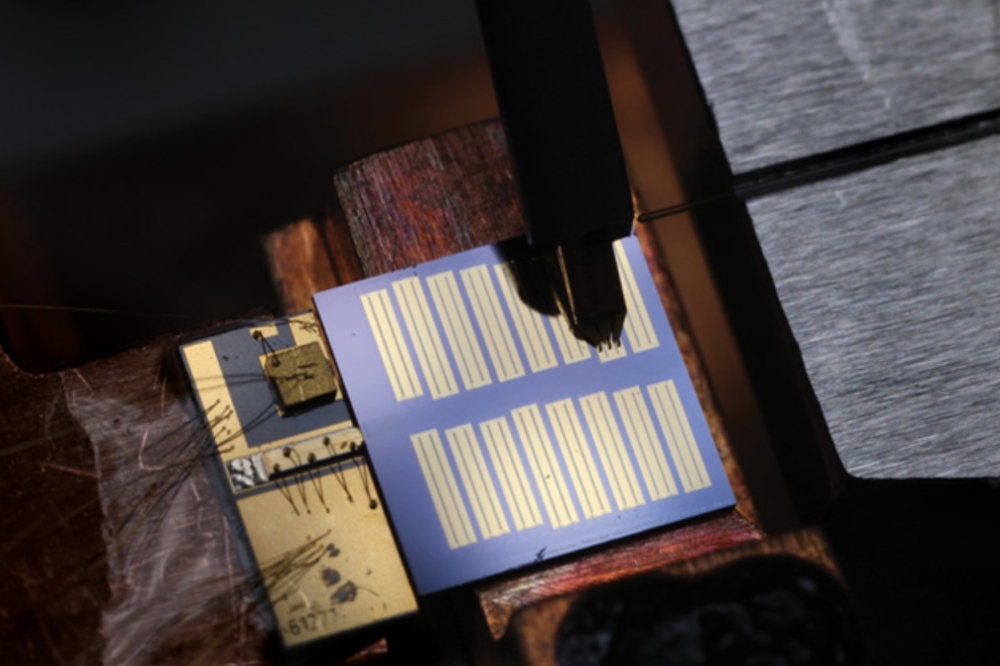
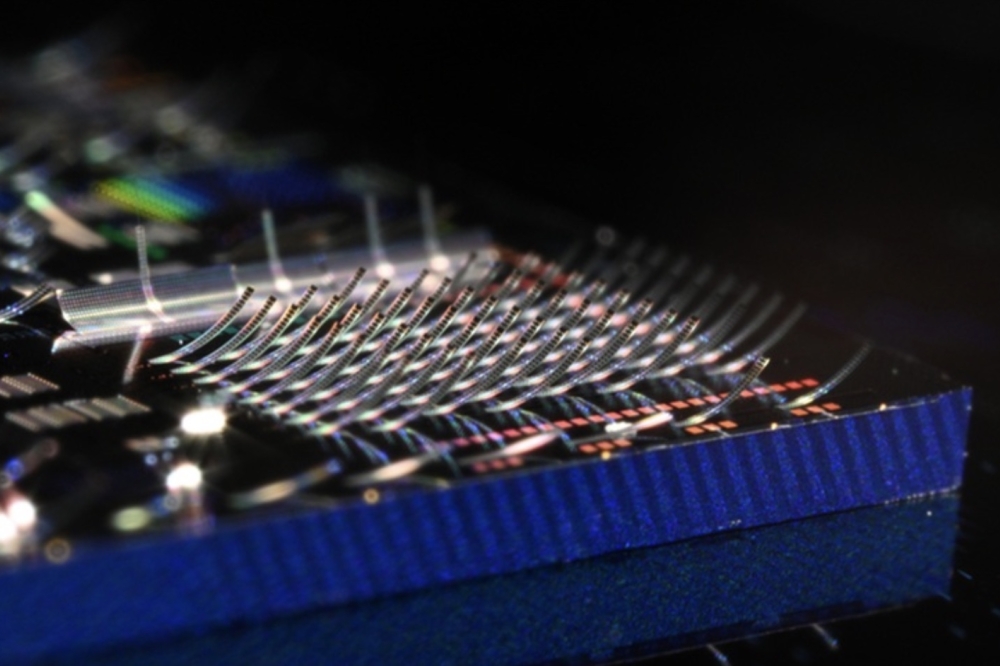
Researchers at the University of Twente have demonstrated a photonic chip that uses surface acoustic waves to enhance signal generation, achieving more than 200× stronger light–sound interaction.
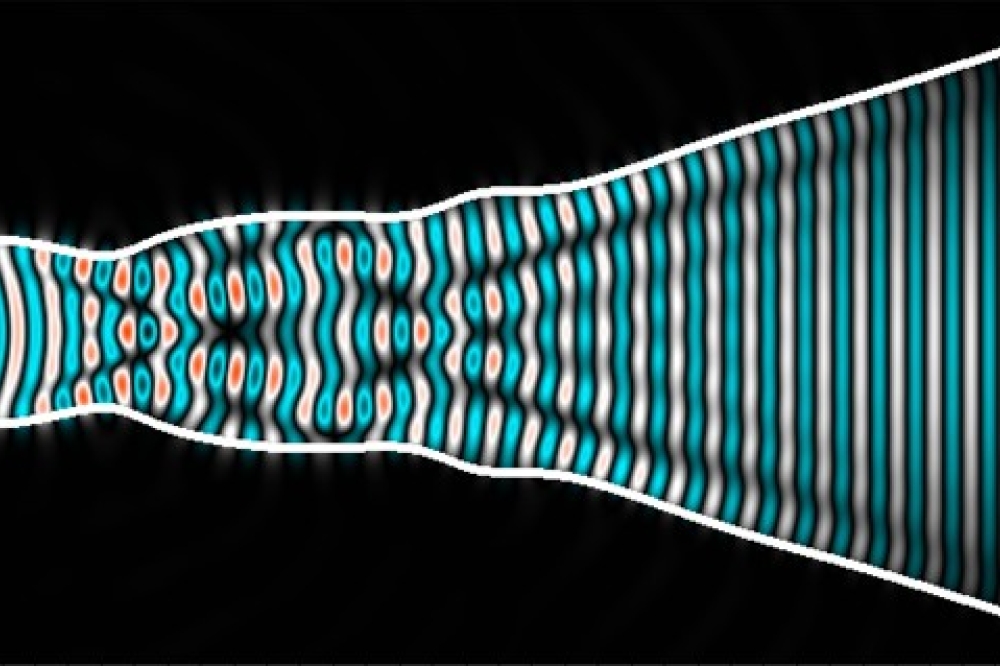
The approach combines a thin tellurium oxide coating with a standard silicon nitride platform, enabling the generation of so-called “mini-earthquake” waves that tightly couple with light inside the chip. This overcomes a long-standing limitation of weak interactions in silicon nitride photonics.
The result is a set of capabilities not previously achieved on the platform, including a functional Brillouin amplifier, highly stable radio-frequency signal generation, and ultra-sharp frequency filtering across a wide bandwidth.
Developed in collaboration with McMaster University, the technology could support applications in wireless communications, radar, satellite navigation and future 6G systems, where compact, high-performance signal processing is increasingly required.