HyperLight debuts 400G-per-lane TFLN PICs

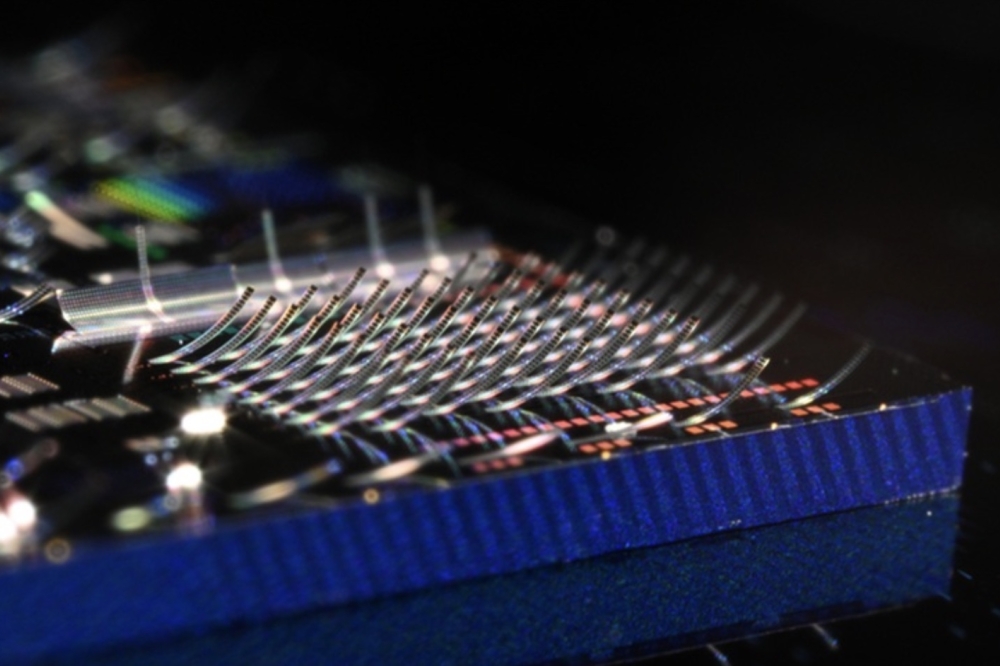
HyperLight Corporation has introduced 400G-per-lane thin-film lithium niobate photonic ICs, delivering low loss, low drive voltage, and high bandwidth for energy-efficient AI data center interconnects.
HyperLight Corporation has announced the availability of 400G-per-lane thin-film lithium niobate (TFLN) photonic integrated circuits (PICs), targeting next-generation AI networking infrastructure.
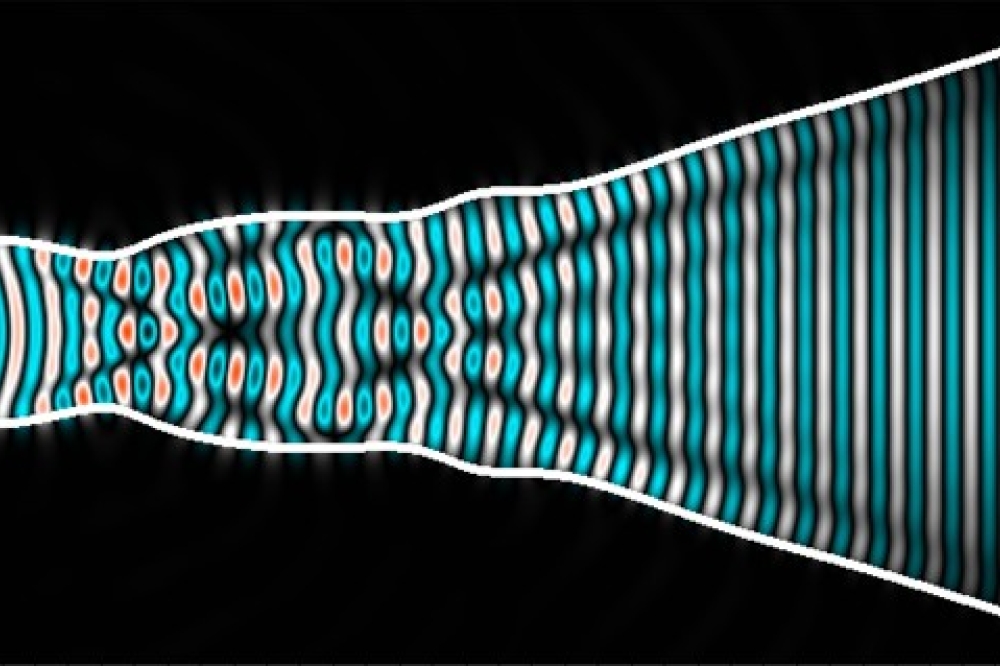
The new PIC family is designed to deliver low insertion loss, low drive voltage, and high electro-optic bandwidth, enabling energy-efficient, high-performance optical links at 400G per lane.
The transition to 400G-per-lane technology is seen as a key milestone for AI data centres, where increasing bandwidth demands and system density are placing growing pressure on conventional electronic interconnects.
HyperLight’s TFLN PICs aim to address these challenges by providing the bandwidth and signal integrity required for next-generation optical links, while maintaining lower power consumption.
The devices combine high modulation efficiency with very low optical loss, supporting transmitter architectures based on single- or dual-laser configurations.
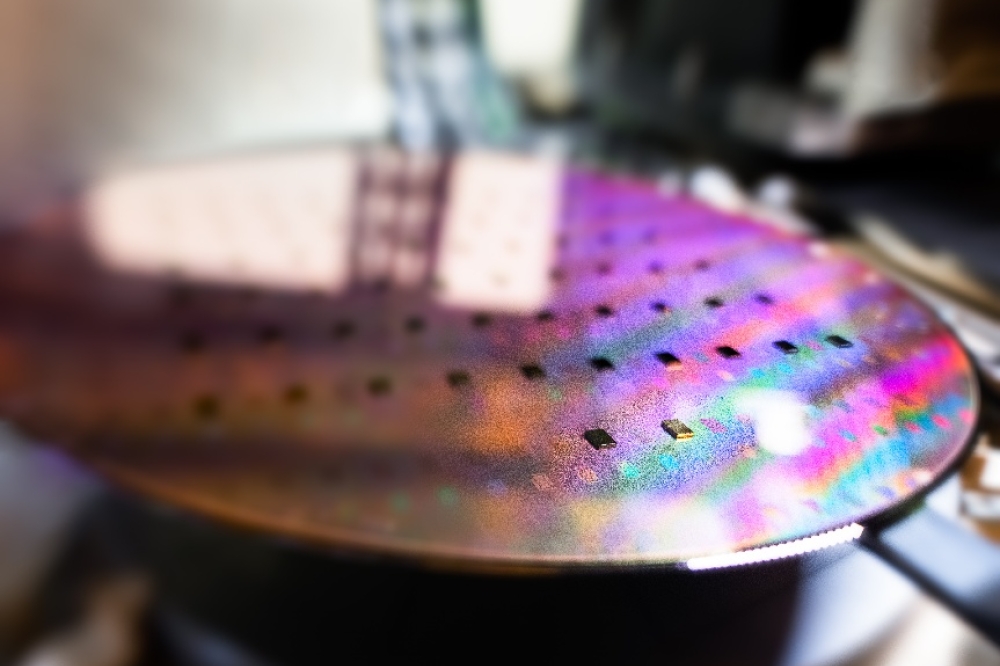
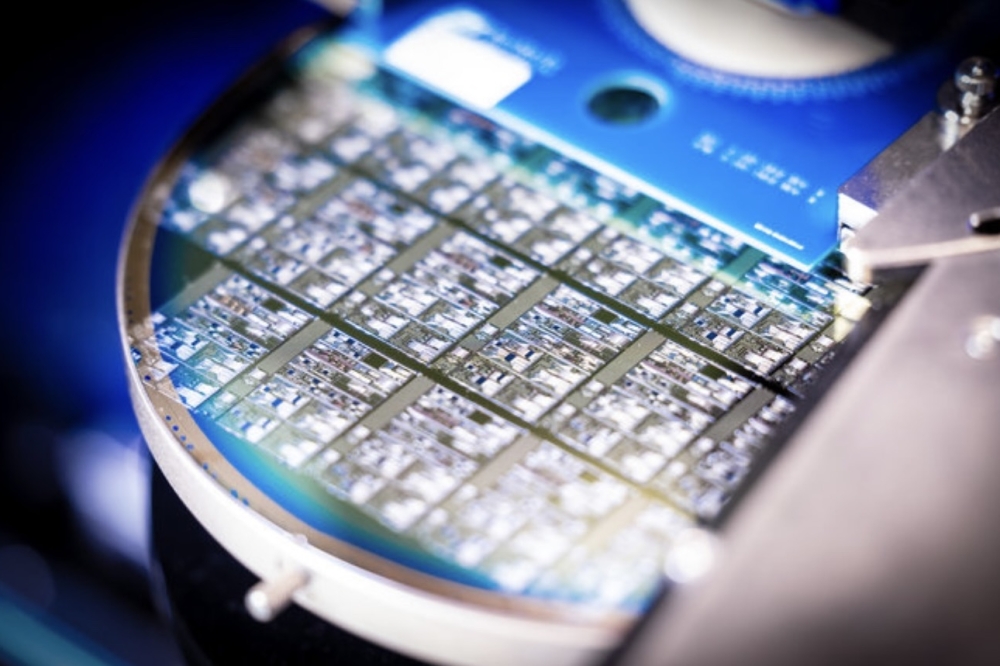
The PICs are manufactured using the company’s TFLN Chiplet Platform, which is designed to enable scalable production of high-performance photonic devices.
With AI workloads continuing to drive demand for faster, more efficient data centre interconnects, the move to 400G-per-lane photonics represents a significant step toward meeting future performance and energy-efficiency requirements.