PICs drive next-gen imaging

PICs are enabling compact, energy-efficient imaging systems for applications ranging from LiDAR and augmented reality to medical diagnostics.
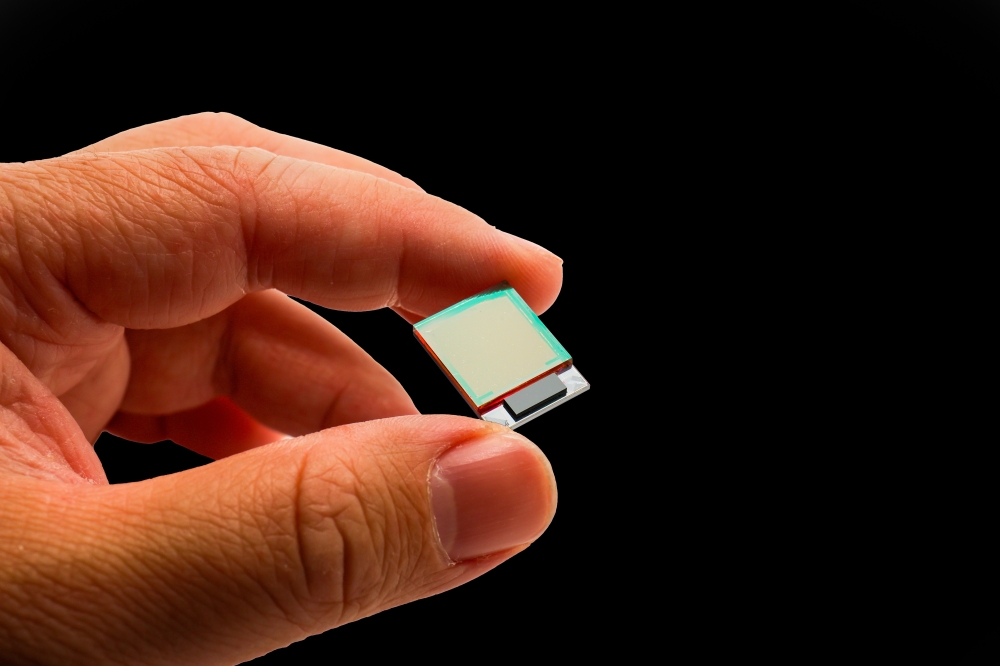
Photonic integrated circuits are emerging as a key technology for next-generation imaging systems, offering new possibilities for miniaturisation, performance, and cost reduction.
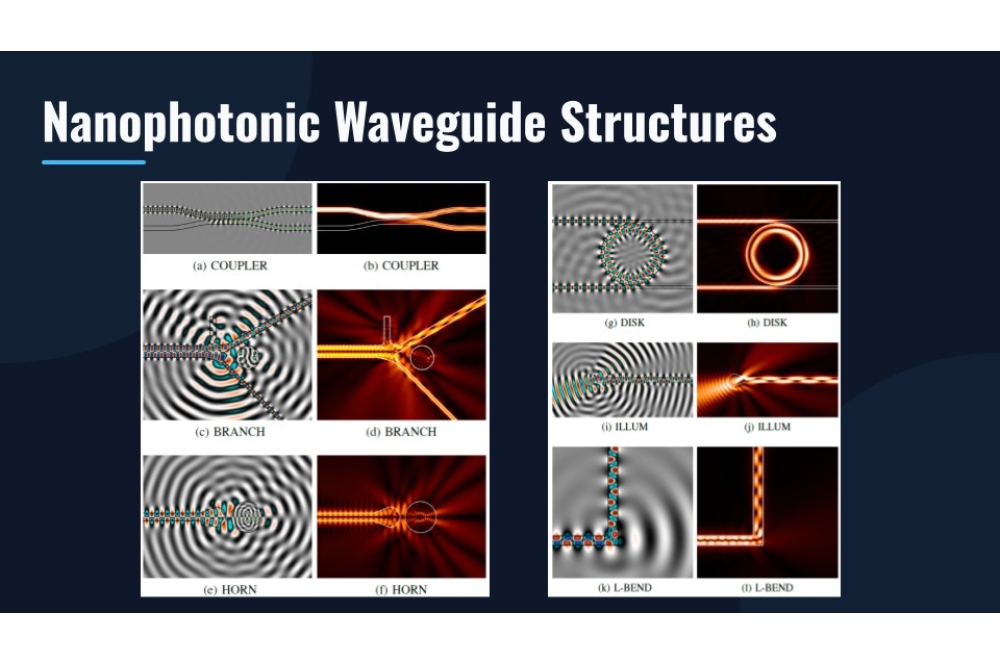
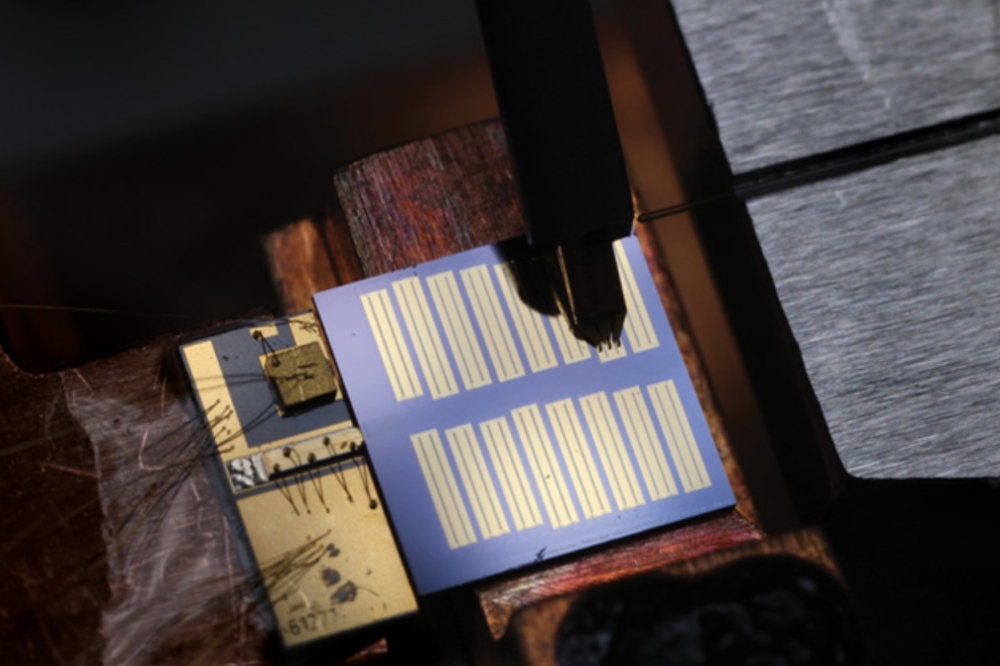
By integrating multiple optical components onto a single chip, PICs enable precise control of light while significantly reducing system size, power consumption, and manufacturing complexity.
The technology is already influencing applications such as light detection and ranging (LiDAR), augmented reality (AR), and optical coherence tomography (OCT).
In automotive systems, PIC-based LiDAR replaces bulky mechanical scanning components with on-chip optical phased arrays, enabling more compact and scalable solutions for advanced driver assistance systems.
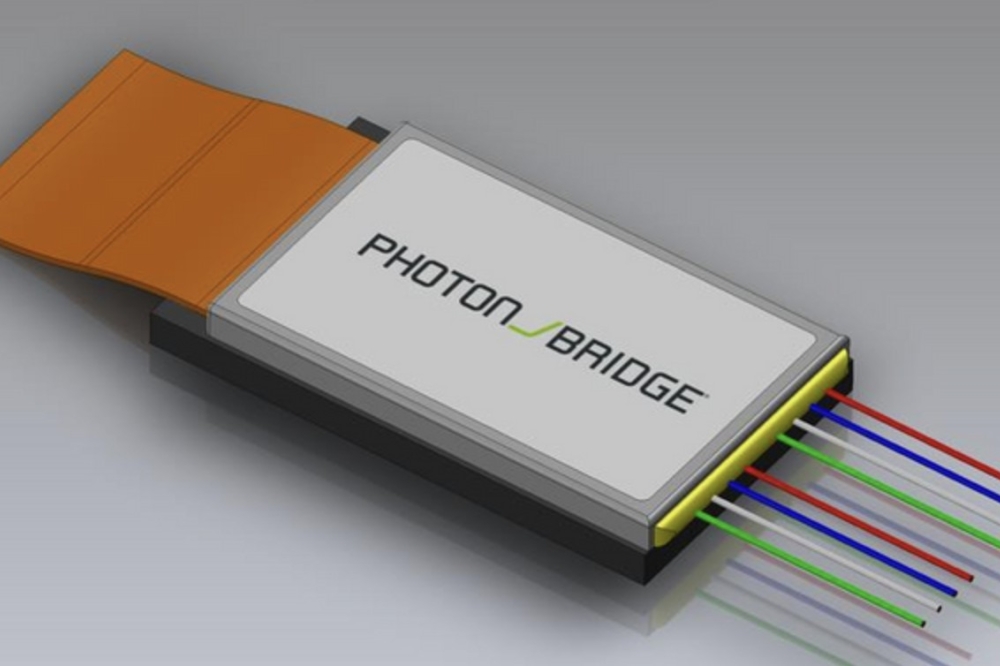
PICs are also supporting advances in AR devices through integrated RGB laser modules capable of generating compact holographic projection systems.
In healthcare, integrated photonic chips are helping to reduce the size and cost of OCT diagnostic devices, opening the possibility for portable and point-of-care imaging solutions.
Despite these advances, engineering challenges remain, including optical losses, fabrication precision, and system integration. Ongoing research aims to address these issues and further expand the role of PICs in future imaging technologies.