Miniaturised lasers advance quantum PICs

Researchers have developed compact, PIC-based laser systems integrating novel Faraday isolators and laser-fabricated photonic packaging for quantum technology applications.
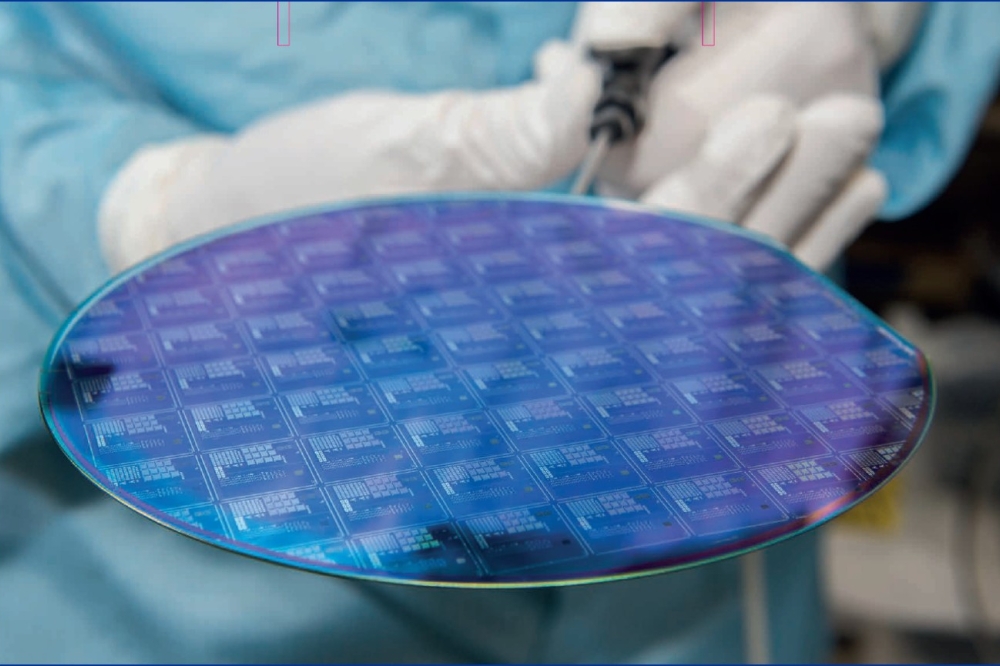
A consortium of industry and research partners has demonstrated new laser-based approaches for building miniaturised, robust beam sources for quantum technology, combining photonic integrated circuits with advanced optical materials and precision glass packaging techniques.
The work, carried out under the HiPEQ project, focuses on reducing the size and complexity of laser beam sources used in quantum systems, which are typically large, sensitive and difficult to deploy outside laboratory environments.
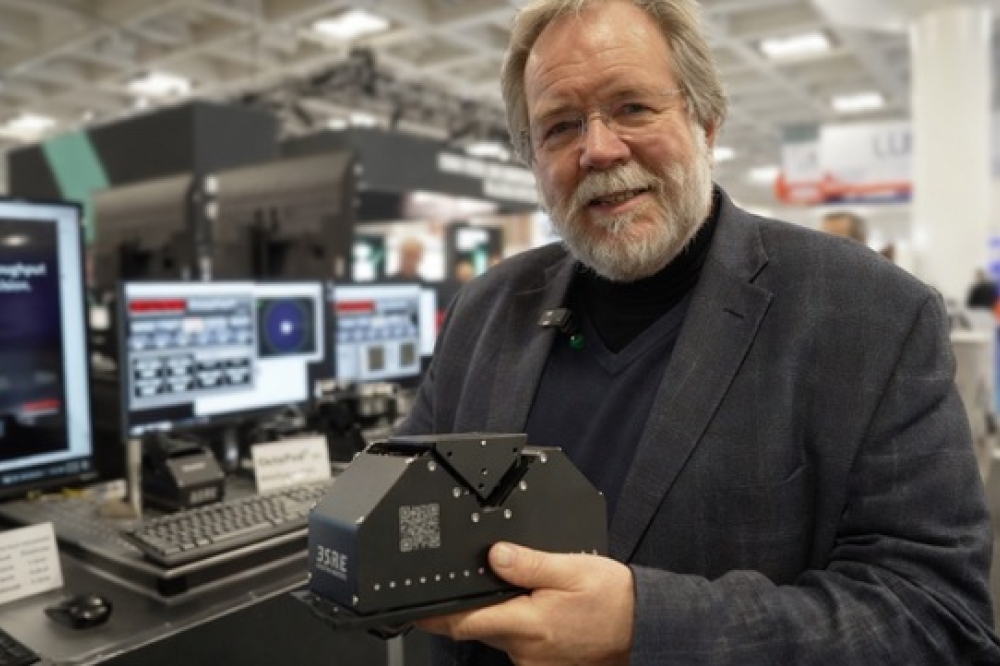
The new prototypes measure just 22 × 9 × 6 cm and are designed to support multiple wavelengths for quantum sensing and communication applications.
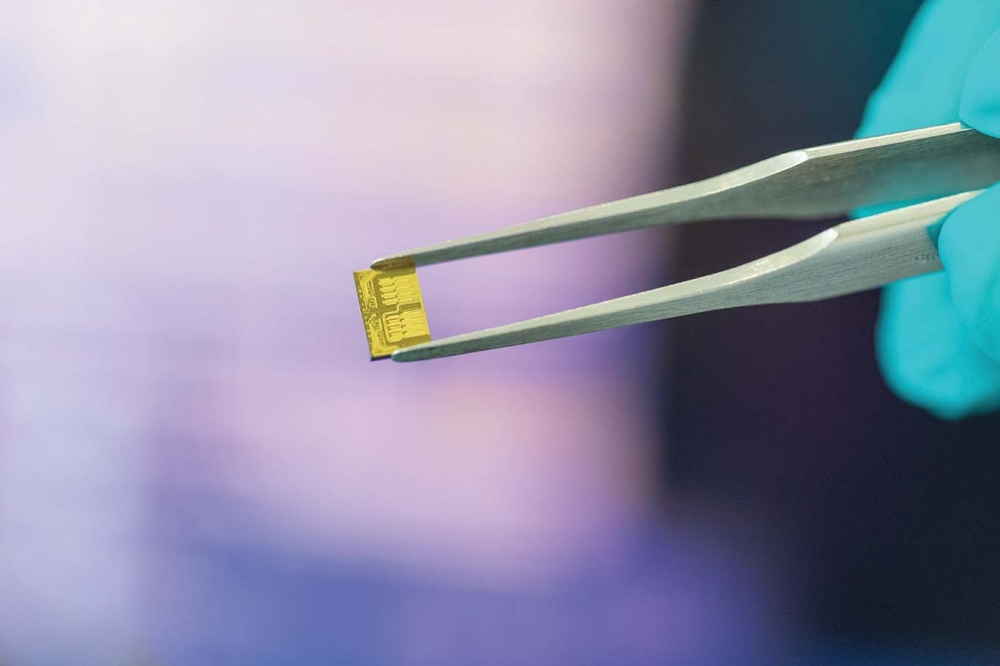
A key development in the project is the use of novel terbium-based crystals with a significantly higher Faraday effect than conventional materials.
These crystals enable compact optical isolators that prevent back-reflected light from destabilising laser operation, a critical requirement for narrow-linewidth quantum light sources.
The crystals were grown using a laser-based optical floating zone process, allowing precise control of temperature gradients and material composition to achieve high-purity monocrystalline structures suitable for photonic integration.
In parallel, the team developed a glass-based packaging platform using selective laser-induced etching.
This approach enables µm-precision alignment of fibre coupling structures, isolators and optical components within a monolithic housing, significantly reducing manual assembly and alignment requirements.
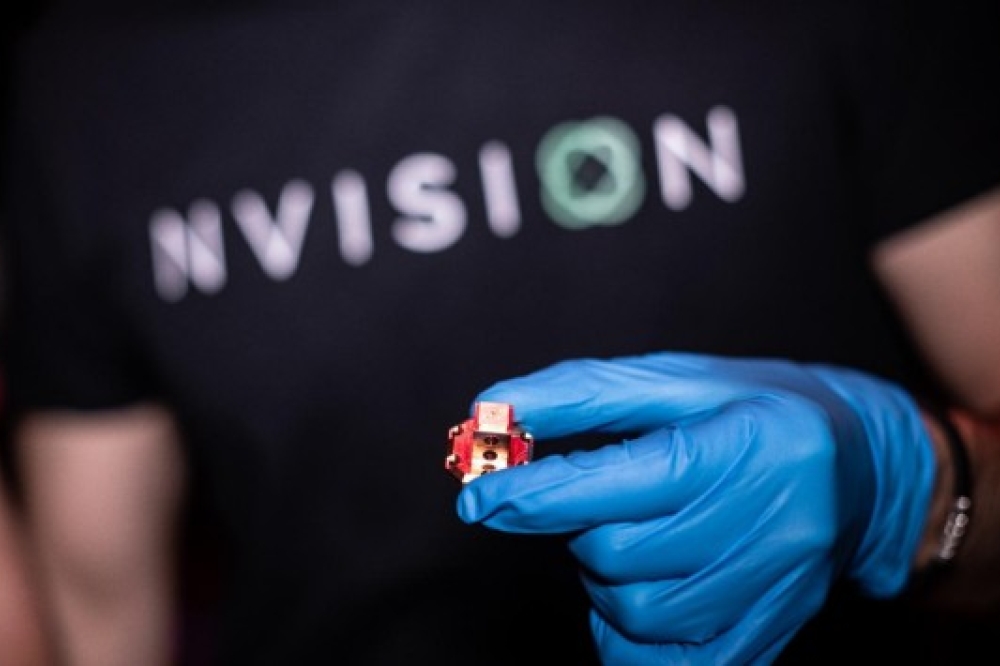
The laser systems integrate photonic integrated circuits, optical fibres, beam splitters and isolators into a unified module, with demonstrated operation at both blue and red wavelengths.
Researchers report that the approach improves robustness while paving the way for more automated assembly of complex photonic systems.
Further optimisation is still required, particularly in coupling efficiency and optical integration, but the results point toward more scalable and deployable laser sources for next-generation quantum photonic systems.