Ultra-compact modulator advances PIC integration

Skoltech researchers develop micron-scale device enabling efficient optical modulation and reduced photonic circuit footprint.
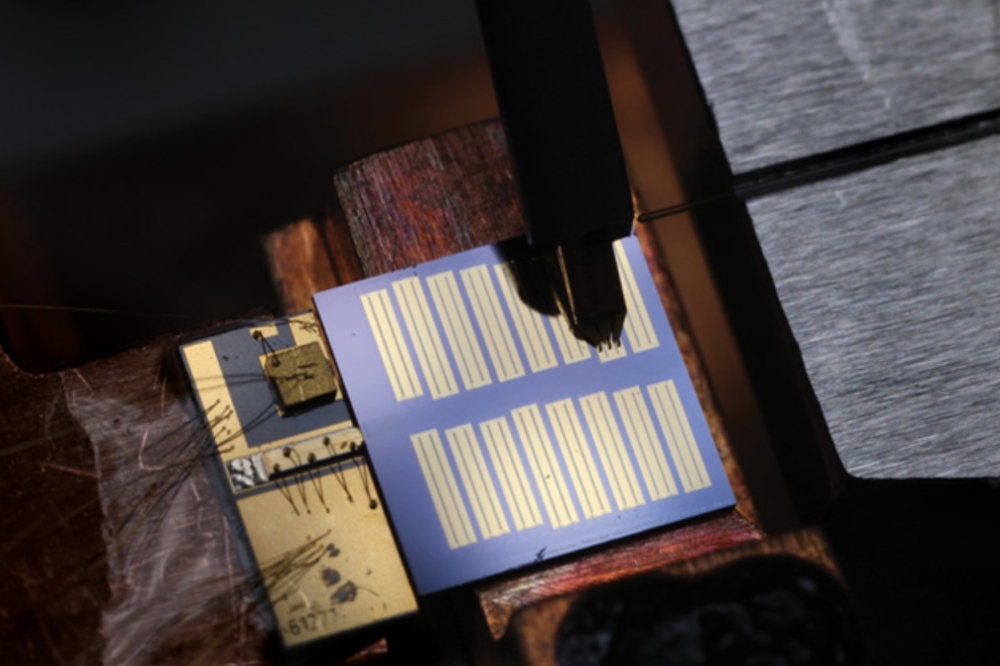
Researchers at the Skolkovo Institute of Science and Technology (Skoltech) have developed an ultra-compact electro-optic modulator designed for photonic integrated circuits (PICs), offering high-efficiency signal control within a significantly reduced footprint.
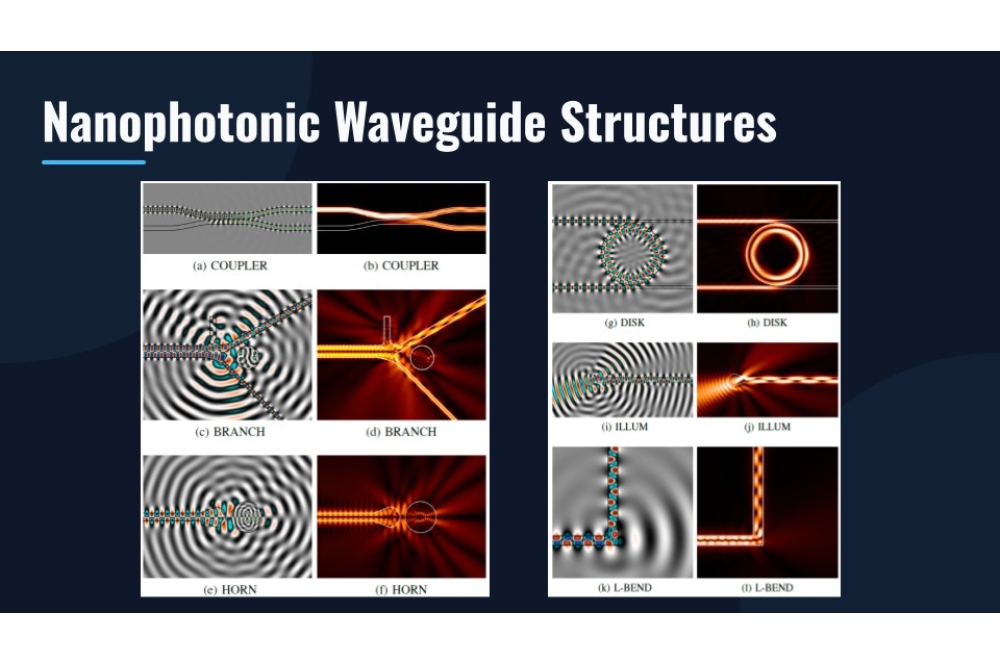
The device combines silicon photonics with plasmonic effects, using a multimode silicon waveguide topped with a thin indium tin oxide layer.
By applying a voltage, researchers modulate the electron concentration at the interface, thereby altering the material’s optical properties and enabling precise control of transmitted light.
A key innovation lies in the use of multimode waveguide operation, allowing simultaneous propagation and coupling of multiple modes.
This enables both amplitude and phase modulation, as well as the generation of two output signals with a 180-degree phase difference, useful for balanced detection systems.
The modulator achieves a DC extinction ratio of 20.6 dB in a structure just 1.6 micrometres long, with an AC extinction ratio measured up to 1 GHz.
Its compact size allows it to replicate the function of larger interferometric devices, such as the Mach–Zehnder interferometer, which typically span several millimetres.
According to the research team, the design also offers post-fabrication tunability by adjusting optical coupling conditions, enhancing flexibility for real-world applications.
The work, published in Light: Advanced Manufacturing, could support the development of more compact and efficient PICs for optical communications, high-frequency signal processing, and next-generation photonic systems.