Chip-scale breakthrough at 229 nm

Uviquity introduces the first deep-UV laser on a single photonic chip, enabling compact, high-performance sources for spectroscopy, inspection, and sensing applications.
Uviquity, a deep-tech company focused on ultraviolet integrated photonics, has announced what it says is the world’s first chip-scale laser operating at 229 nm, marking a significant step forward for compact deep-UV light sources.
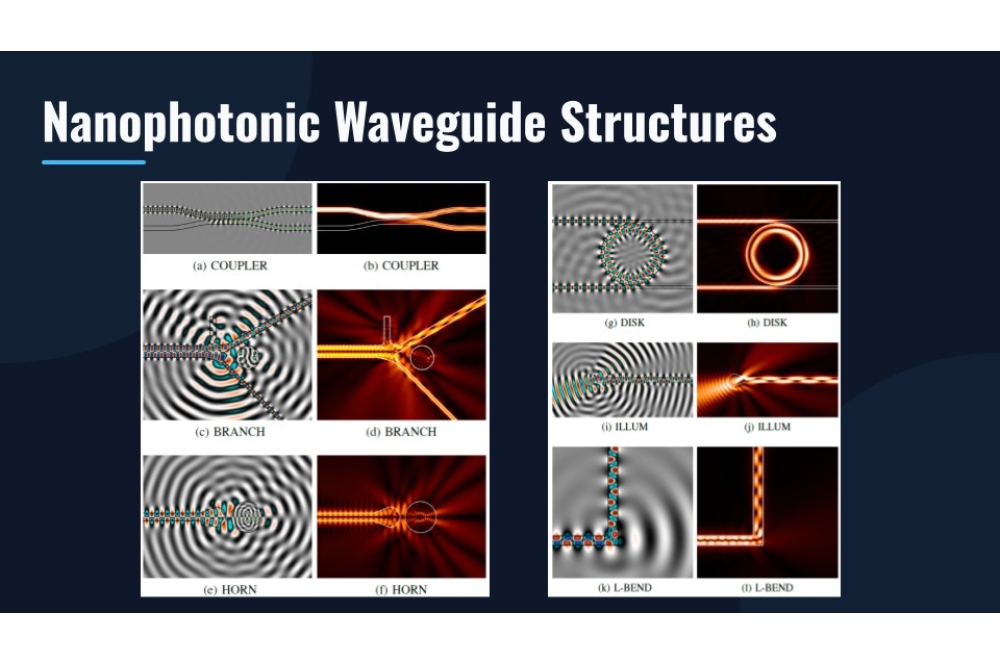
The device is fabricated on an aluminium nitride photonic integrated circuit platform and generates deep-UV output using second-harmonic generation.
According to the company, the laser delivers collimated, narrow-linewidth emission with high spectral purity, characteristics typically associated with much larger, benchtop-scale systems.
Uviquity plans to begin sampling the product to OEM partners in the fourth quarter of 2026, targeting applications across semiconductor inspection, pharmaceutical manufacturing, environmental monitoring, petrochemical processing, and defence sensing.
Deep-UV light at 229 nm enables analytical techniques that are difficult or impossible at longer wavelengths, including resonance-enhanced detection of biological and chemical signatures.
The wavelength also offers a measurement window with minimal background fluorescence in many organic materials, supporting methods such as Raman spectroscopy, fluorescence, photoluminescence, and absorption analysis.
Until now, developers working in this spectral region have relied on a combination of lasers, lamps, and LEDs, often facing trade-offs in brightness, spectral quality, size, and cost.
High-performance options have typically required bulky and expensive equipment, limiting their use in portable or embedded systems.
Uviquity’s approach integrates the light source onto a semiconductor chip, enabling a compact, low-voltage, and potentially field-deployable solution.
The company says its platform is protected by more than 20 pending patents and was first presented earlier this year at SPIE Photonics West.
Beyond sensing and inspection, the same aluminium nitride platform is being developed for far-UVC disinfection applications, including air, water, food, and medical use cases, suggesting a broader roadmap for UV photonics integration.
“We’ve spent time with scientists and engineers working in these application areas,” said CEO and co-founder Scott Burroughs. “They understand the potential of deep-UV wavelengths, but haven’t had a compact, reliable source to build around. That’s what we’re aiming to deliver.”
If successfully commercialised, the technology could accelerate the adoption of deep-UV capabilities in portable instrumentation and industrial systems, extending the reach of photonic integrated circuits into new wavelength regimes and application domains.