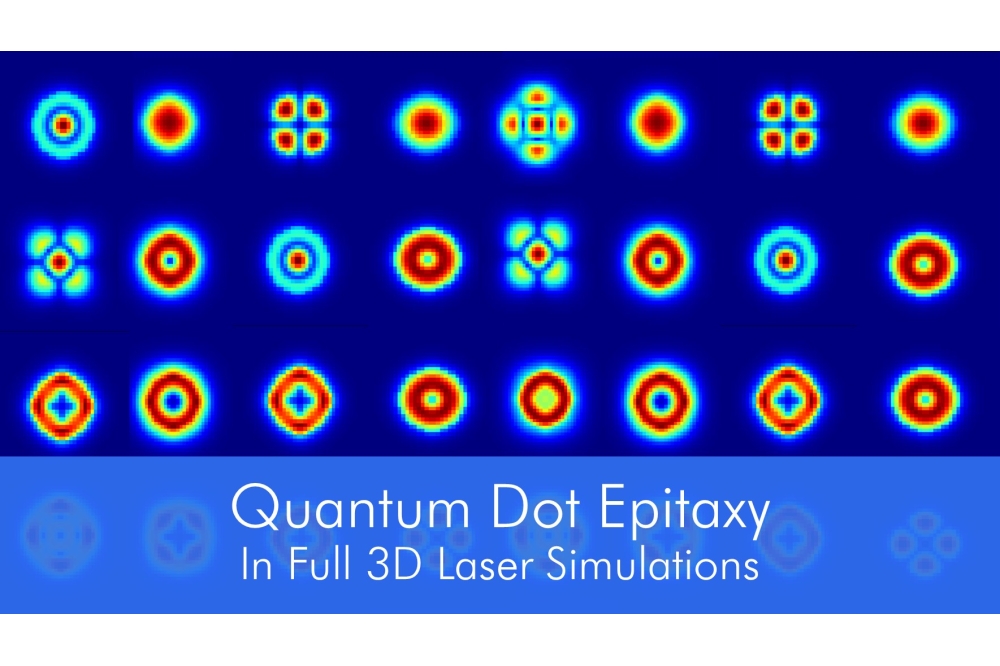
Photon Design has announced what it describes as the industry’s first integrated 3D quantum dot (QD) laser simulation environment for photonic integrated circuit (PIC) design, combining its HAROLD QD and PICWave platforms ahead of its official launch at CLEO 2026.
The integration enables engineers to perform three-dimensional, time-evolving quantum dot laser simulations within a broader PIC design workflow, targeting next-generation applications in AI infrastructure, high-performance computing (HPC), silicon photonics, and datacentre optical interconnects.
According to Photon Design, HAROLD QD models quantum dot laser structures using an eight-band k·p energy level modeller, incorporating dot size distribution, 3D stress and strain effects, and laser gain and absorption spectra.
The company said the tool is designed to closely match measured device performance, supporting more accurate predictive modelling during laser development.
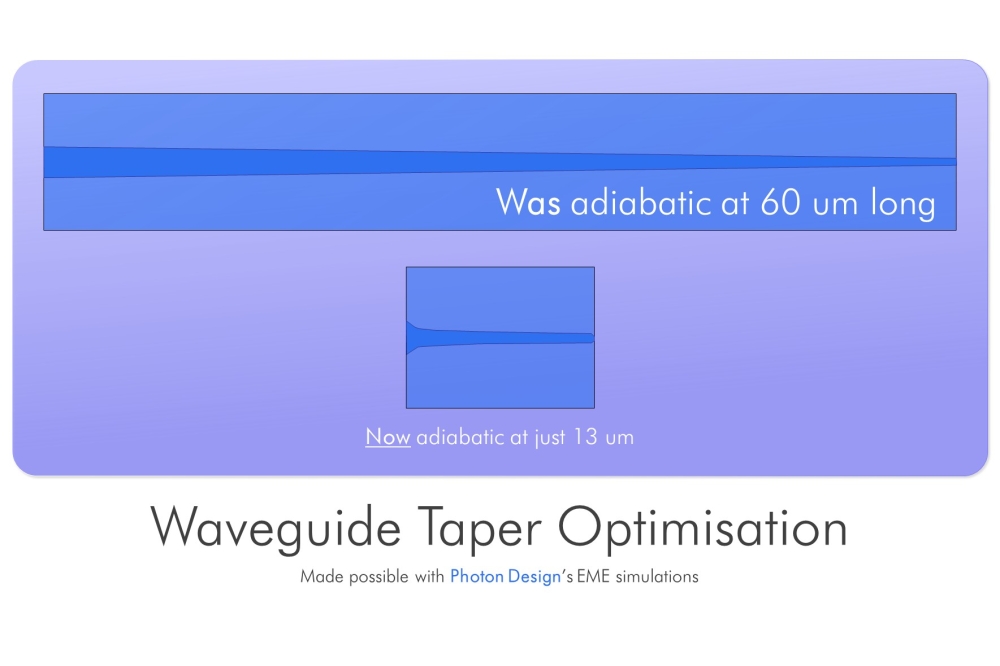
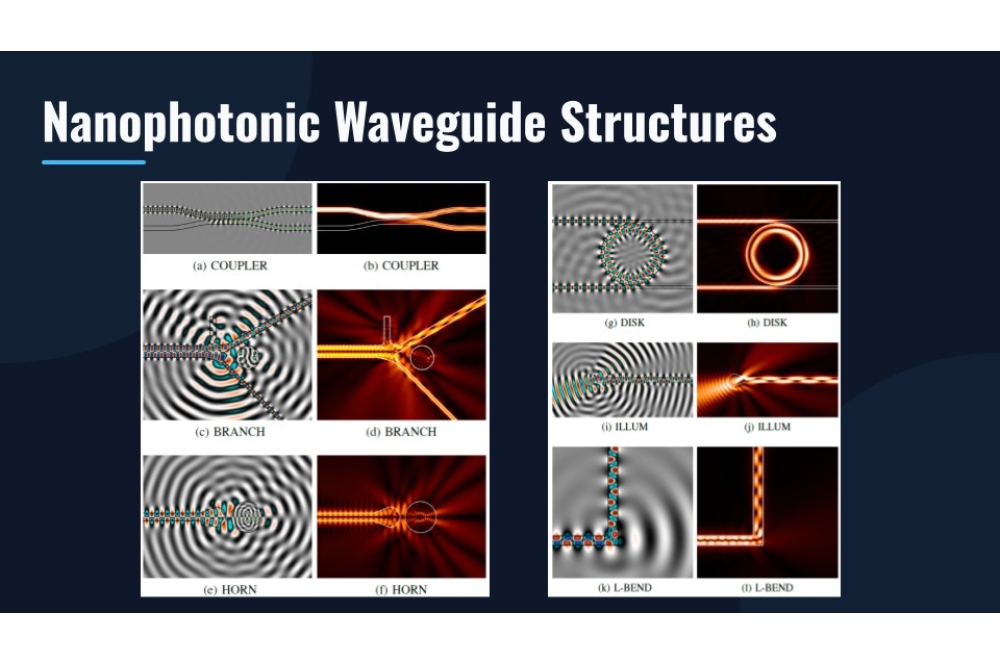
By integrating the platform into PICWave, users can combine QD laser simulations with larger photonic circuit architectures, including distributed feedback (DFB) gratings, ring resonators for tuneable lasers, and passive PIC building blocks such as bends, tapers and directional couplers.
Dr. Dominic Gallagher, CEO of Photon Design, said the integration was aimed at streamlining photonic design workflows while addressing increasing demand for advanced optical interconnect technologies.
“Quantum dot lasers are vital for next-generation datacentres, AI and HPC applications due to their high-temperature performance, efficient data transmission and power savings,” Gallagher said. “HAROLD QD’s integration with PICWave adds three-dimensional, time-evolving quantum dot laser modelling into a unified design environment, optimising an engineer’s design flow.”
The platform also incorporates simulation effects including thermal rollover, carrier diffusion, current spreading and spectral hole burning, while Photon Design’s Wide-Band Gain Fitting algorithm is intended to improve modelling accuracy across wider wavelength ranges.
The announcement reflects growing industry interest in quantum dot lasers as a potential solution for monolithic laser integration on silicon, an area of increasing importance for co-packaged optics and silicon photonics.
Compared with conventional laser technologies, QD lasers are widely viewed as offering advantages in thermal stability, lower threshold currents and defect tolerance, making them attractive for energy-efficient optical interconnects.
Photon Design will showcase the integrated HAROLD QD and PICWave environment at booth #703 during CLEO 2026, taking place at the Charlotte Convention Center from May 17–20.