PIC market to hit $24.5B by 2033

AI workloads, data centre upgrades, and advances in silicon photonics are driving rapid adoption of photonic integrated circuits, with strong growth projected through the next decade.
The global photonic integrated circuit (PIC) market is poised for significant expansion, driven by surging demand from artificial intelligence infrastructure, hyperscale data centres, and next-generation telecom networks.
According to new research from DataM Intelligence 4 Market Research LLP, the market was valued at USD 10.79 billion in 2025 and is projected to reach USD 24.51 billion by 2033, growing at a compound annual growth rate (CAGR) of 10.8%.
This represents an incremental opportunity of nearly USD 13.7 billion over the forecast period. The growth reflects a broader shift in how data is transmitted and processed.
As AI workloads scale and data centre traffic intensifies, traditional electrical interconnects are increasingly constrained by power consumption and bandwidth limitations.
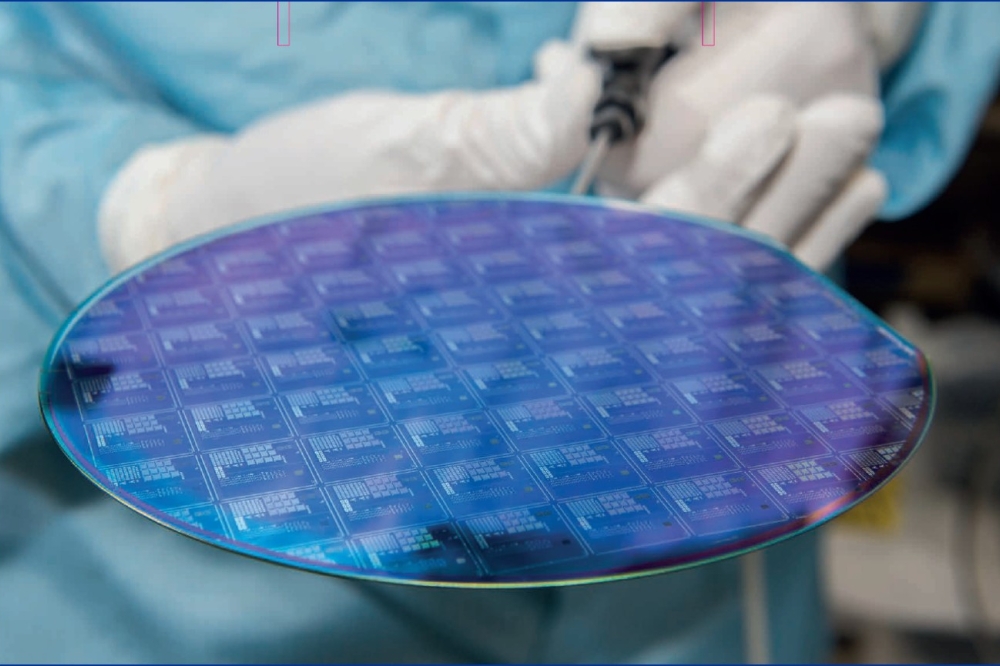
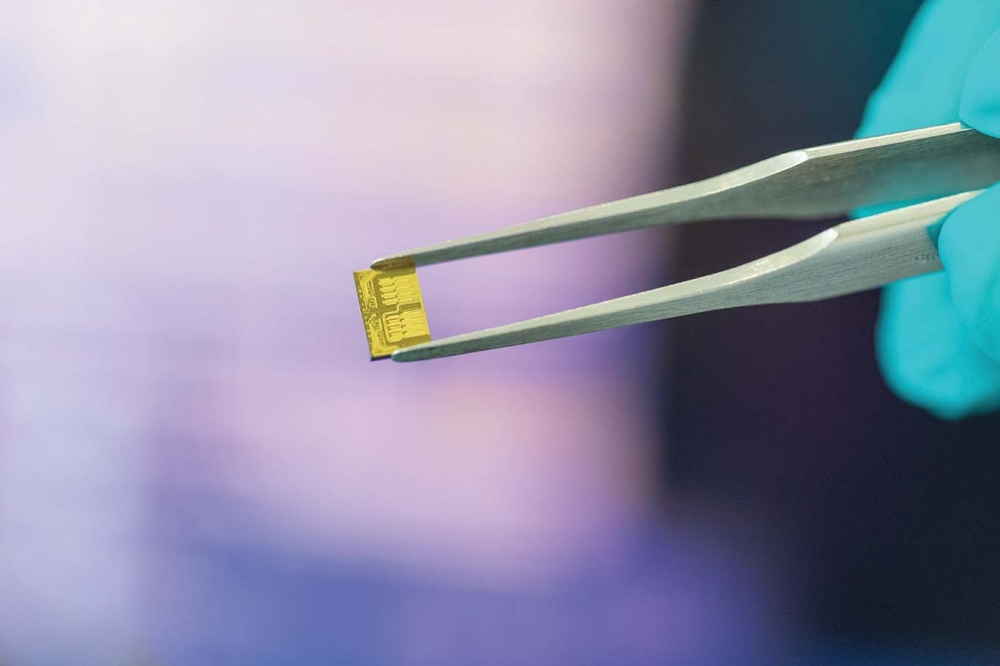
PICs are emerging as a critical alternative. By integrating optical components such as lasers, modulators, detectors, and transceivers onto a single chip, these devices enable faster data transfer with significantly lower energy requirements.
This makes them particularly attractive for high-performance computing environments where efficiency and throughput are paramount.
The report highlights AI optical interconnects as a major growth driver, as companies seek to overcome bottlenecks in chip-to-chip and rack-to-rack communication.
At the same time, advances in silicon photonics manufacturing are improving scalability and reducing costs, accelerating commercial deployment across cloud and telecom infrastructure.
High-bandwidth upgrades in global data centres are also contributing to increased adoption, as operators transition toward optical solutions to meet rising performance demands.
Industry observers note that while the technology continues to mature, challenges remain in areas such as packaging, thermal management, and large-scale integration.
However, ongoing innovation and investment are expected to address these barriers over the coming years.
With momentum building across both technical and commercial fronts, photonic integrated circuits are increasingly positioned as a foundational technology for the next era of data-driven computing.