New materials boost SiPh

Researchers have demonstrated a new way to integrate advanced electro-optic materials onto silicon photonics, paving the way for optical interconnects beyond 400 Gb/s per channel.
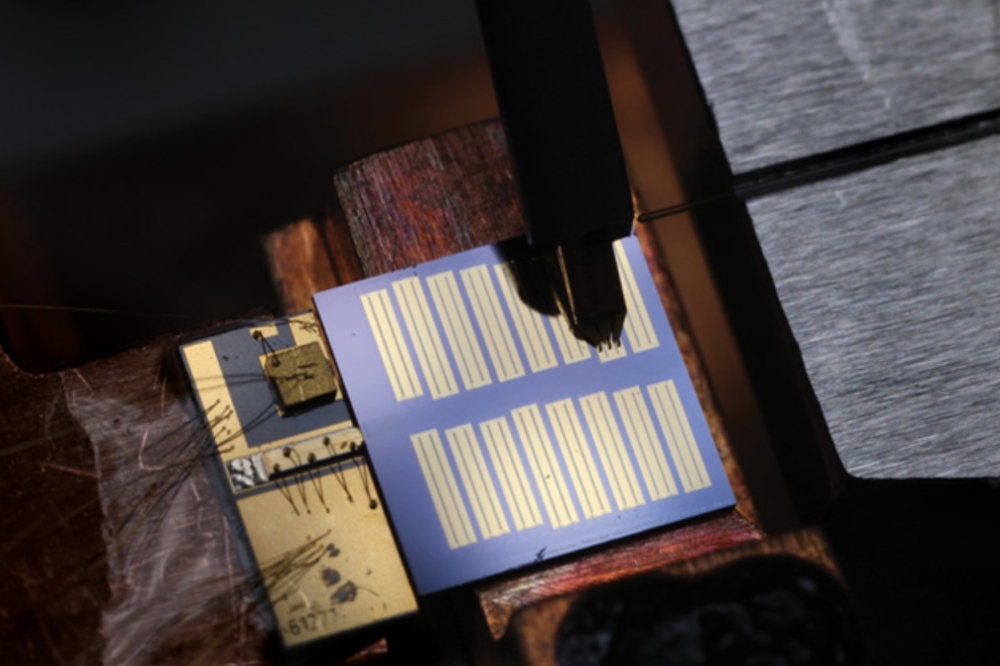
Silicon photonics could take a major step forward after IMEC and Ghent University demonstrated a new integration method for high-performance optical materials used in data communication.
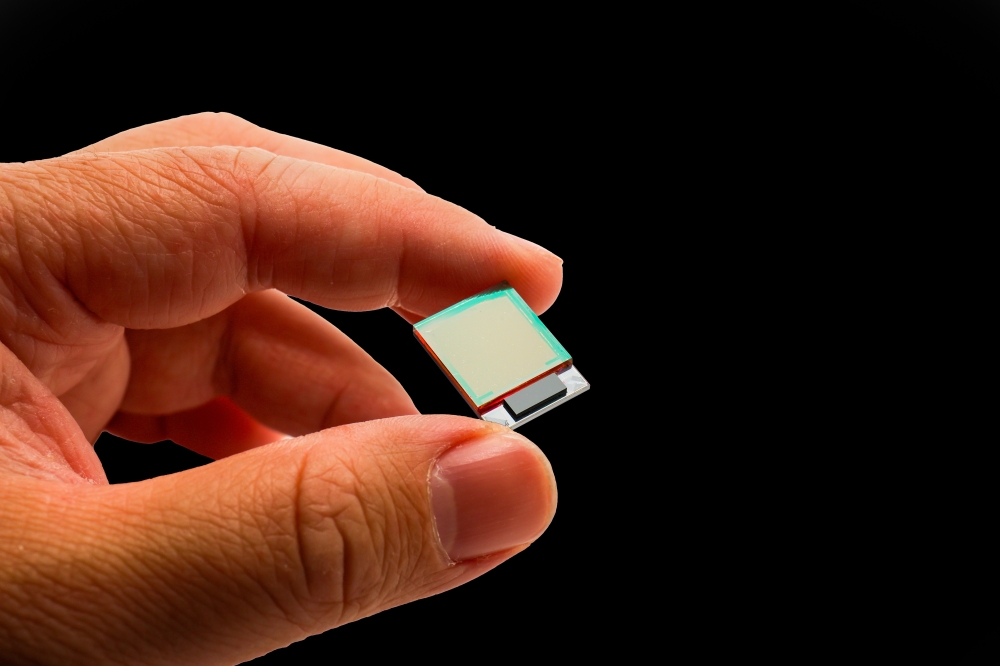
The team used micro-transfer printing to place thin-film lithium niobate and lithium tantalate directly onto silicon photonic chips, avoiding the complexity and cost of traditional wafer bonding techniques.
In one demonstration, the researchers achieved a 320 Gb/s optical link over 2 km of standard fibre using lithium niobate modulators, alongside high-speed germanium photodiodes and custom electronic drivers.
A second breakthrough showed the first successful integration of a lithium tantalate modulator on a silicon photonics platform, confirming the flexibility of the approach for multiple materials.
The results point toward a scalable path for next-generation optical interconnects that could eventually exceed 400 Gb/s per channel, supporting the growing demands of AI and cloud computing.