Q.ANT expands to US

Photonic computing firm enters the US market, appoints new CTO and targets AI infrastructure with optical processors
Q.ANT has announced plans to expand into the United States with a new headquarters in Austin, Texas, alongside the appointment of Bruno Spruth as chief technology officer.
The move reflects growing momentum behind alternative computing architectures as data centre operators confront the limits of conventional silicon.
With artificial intelligence workloads driving demand for higher performance and lower energy consumption, attention is increasingly turning to photonics as a potential solution beyond interconnects.
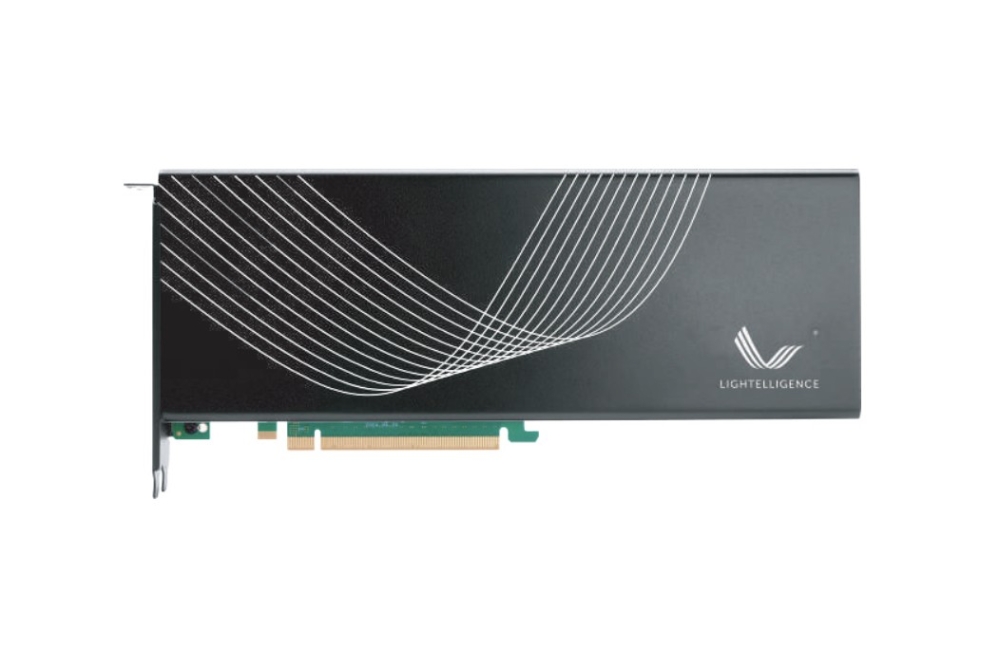
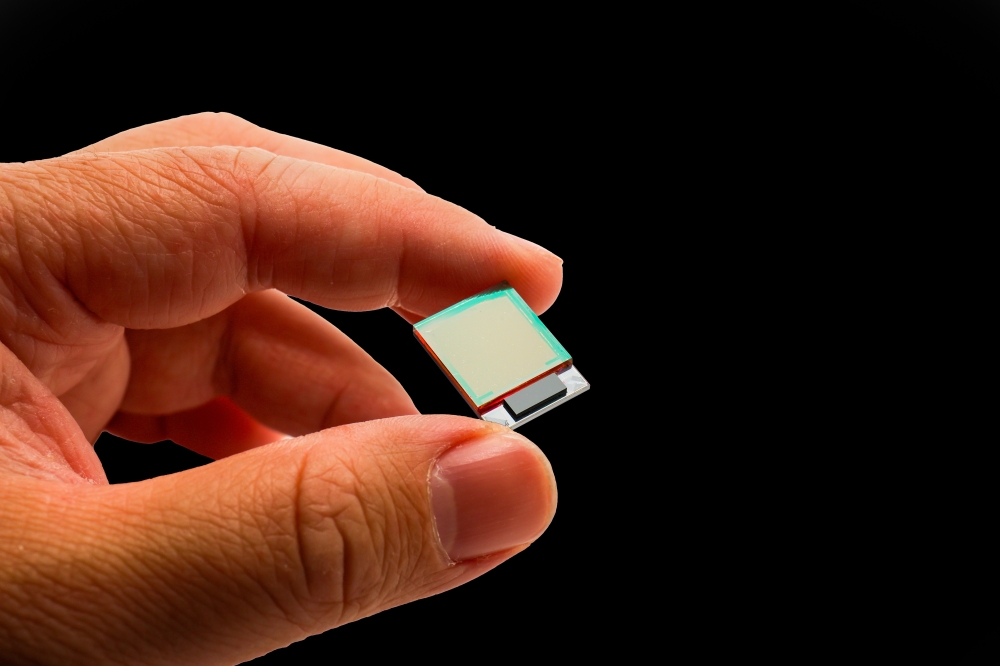
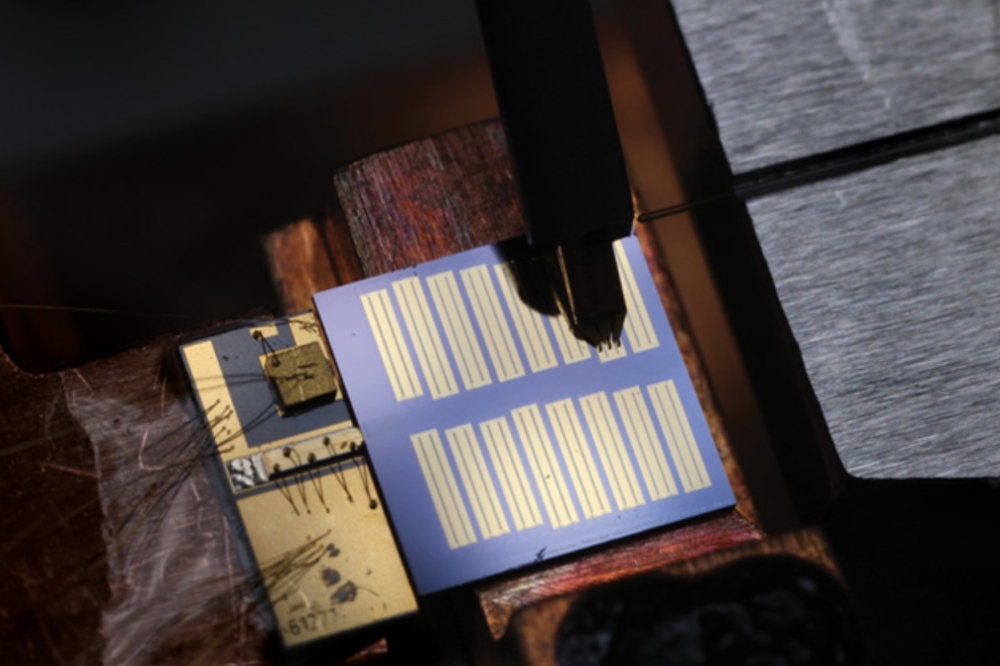
At the centre of Q.ANT’s approach is a processor that performs mathematical operations in the optical domain using thin-film lithium niobate.
By computing with light rather than electrical signals, the platform aims to reduce heat generation while improving processing efficiency for complex workloads.
The system is designed to integrate into existing infrastructure as a co-processor, working alongside CPUs and GPUs through standard interfaces.
The company reports that its photonic processors are already deployed in a production high-performance computing environment, where they are being used for applications including climate modelling and medical imaging.
This marks an early step toward commercial adoption, although broader validation across use cases and system architectures is still developing.
The decision to establish a presence in the United States places Q.ANT within a major hub for semiconductor development and AI infrastructure.
Austin, in particular, offers access to established supply chains, technical talent, and proximity to hyperscale data centre operators. Plans are in place to expand local engineering teams in areas such as photonics, software, and digital system design.
The appointment of Bruno Spruth, who previously held a senior processor development role at IBM, underlines the company’s ambition to position photonic computing as a complement to existing hardware rather than a niche technology.
It also highlights the increasing convergence between photonics and mainstream semiconductor design.
While photonic integrated circuits have traditionally been associated with communication and sensing, developments such as this point to a broader role in computing.
The challenge ahead lies not only in demonstrating performance advantages but also in achieving the scalability, reliability, and ecosystem support required for widespread deployment.