NIST advances robust photonic packaging

New bonding technique enables photonic integrated circuits to operate reliably under radiation, vacuum and cryogenic conditions.
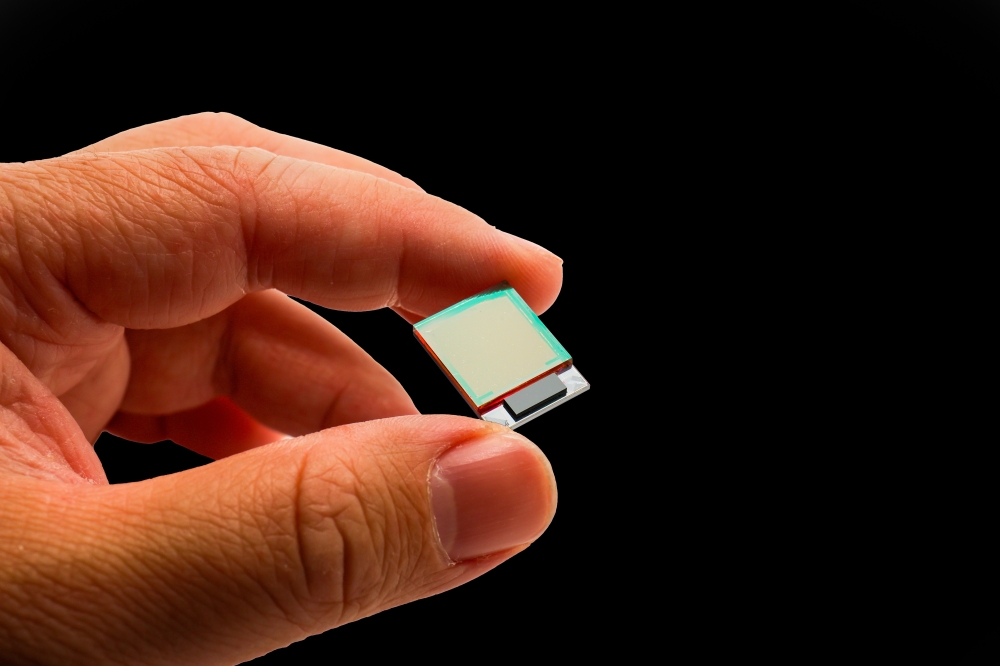
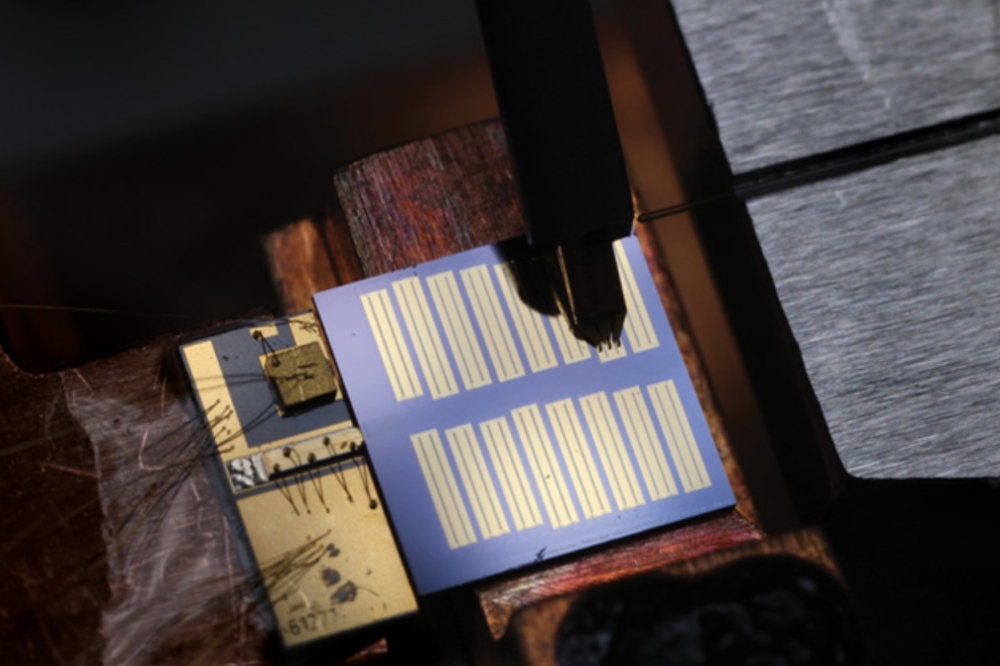
Researchers at the National Institute of Standards and Technology (NIST) have developed a novel packaging method for PICs that allows them to withstand extreme environments, including high radiation, ultrahigh vacuum and cryogenic temperatures.
The breakthrough centres on improving one of the most critical aspects of photonic packaging, the connection between optical fibres and chips.
Conventional polymer-based adhesives used in fibre-to-chip bonding tend to degrade under harsh conditions, leading to misalignment and device failure.
To overcome this, the NIST team adopted hydroxide catalysis bonding (HCB), a technique originally developed by NASA for precision optical systems.
The method creates an inorganic, glass-like bond at the molecular level, enabling highly stable and precise alignment without relying on traditional adhesives.
Testing showed that PICs packaged using HCB maintained performance after exposure to rapid temperature cycling, intense ionising radiation and high vacuum conditions.
The bonding approach also demonstrated strong mechanical stability at elevated temperatures, suggesting significantly improved resilience compared to conventional packaging methods.
The advance could expand the use of photonic technologies in demanding applications such as quantum computing, space systems, nuclear instrumentation and industrial sensing, areas where conventional electronic and photonic packaging has struggled to perform reliably.
While the current bonding process requires several days to complete, researchers say further engineering development could make it viable for large-scale manufacturing.