NIST chip expands laser range

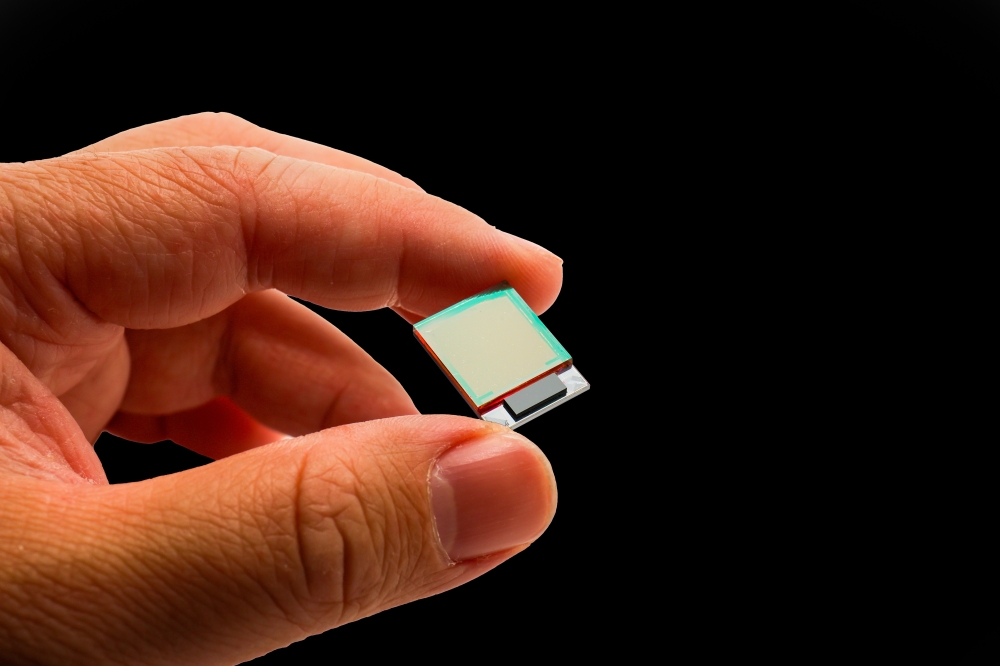
A new multi-material photonics chip from the National Institute of Standards and Technology enables on-chip generation of a wide range of laser wavelengths, supporting scalable quantum technologies.
Researchers at the National Institute of Standards and Technology (NIST) have developed a new class of photonic integrated circuits capable of generating laser light across a broad spectrum of colours, addressing a key limitation in quantum technology development.
Quantum systems such as optical atomic clocks and quantum computers rely on highly specific laser wavelengths to control atomic states.
Traditionally, generating these wavelengths requires bulky and complex external laser setups, limiting scalability and deployment outside laboratory environments.
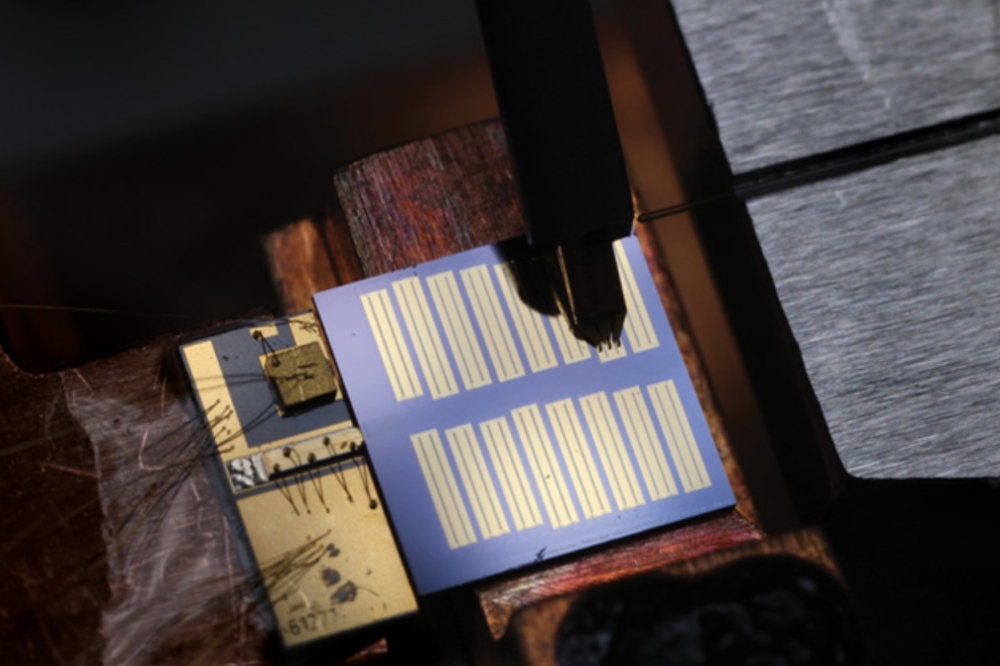
The NIST team’s approach integrates multiple materials, including lithium niobate and tantalum pentoxide, onto a silicon-based platform.
This multilayer architecture enables efficient wavelength conversion, allowing a single input laser to be transformed into a wide range of visible and infrared outputs.
The device also incorporates metal components for electrical control, enabling rapid modulation and switching of light within the circuit.
By combining these capabilities, the chip can both generate and manipulate light in a compact, integrated format.
Fabricated at wafer scale, the platform supports high-density integration, with approximately 50 chips per wafer and around 10,000 photonic circuits on each chip.
This level of scalability is significant for both research and potential commercial deployment.
By moving wavelength generation and control onto the chip, the technology could reduce the size, cost, and complexity of quantum systems.
It also aligns with broader trends in photonics toward heterogeneous integration and system-level functionality within a single platform.
The development represents a step toward more practical and scalable quantum devices, where photonic integration plays a central role in enabling real-world applications.