TSMC targets PIC capacity expansion

The foundry is expected to increase photonic integrated circuit production capacity to 25,000 wafers per month by 2028, supporting growing demand for AI-driven co-packaged optics.
TSMC is expected to significantly expand its photonic integrated circuit (PIC) manufacturing capacity over the next two years, reflecting growing demand for silicon photonics and co-packaged optics (CPO) in AI infrastructure.
According to industry reports, the foundry's PIC production capacity is forecast to increase from around 500 wafers per month to 10,000 wafers by the second quarter of 2026, rising to 15,000 wafers by the end of the year and reaching at least 25,000 wafers per month by 2028.
The initial production ramp is expected to support early customers including NVIDIA, Broadcom and AMD on TSMC's COUPE silicon photonics platform.
As manufacturing capacity expands, additional CPO programmes from companies including MediaTek, Marvell and Ayar Labs are expected to enter volume production.
The expansion highlights the increasing role of PICs in AI networking, where optical engines are becoming essential for supporting higher switch bandwidths and the growing scale of AI server clusters.
As data centre architectures evolve from 25.6T and 51.2T switching towards 100T and beyond, silicon photonics is expected to play a critical role in meeting bandwidth and power-efficiency requirements.
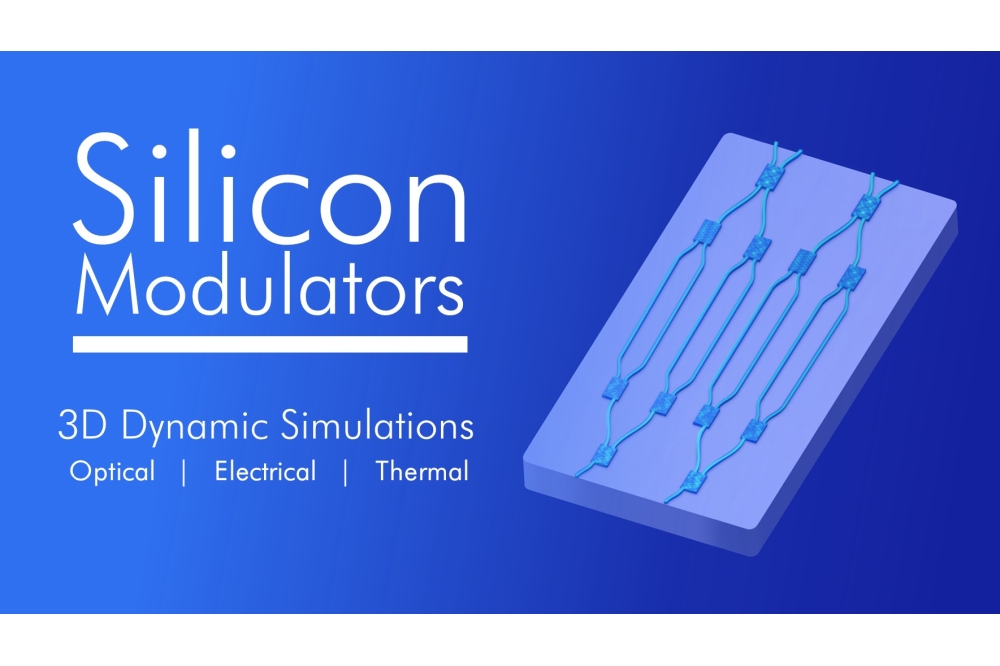
TSMC has also indicated that its 200Gbps micro-ring modulator, developed on the COUPE platform, is scheduled to enter mass production later this year, marking another step towards commercial deployment of integrated photonics.
While increased wafer capacity represents an important milestone, industry observers note that widespread CPO deployment will also depend on downstream processes, including advanced packaging, optical engine assembly, fibre-array alignment and system-level validation.
The planned capacity expansion signals growing confidence in the commercialisation of silicon photonics and reinforces TSMC's position as a key manufacturing partner for next-generation AI optical interconnects.