PICs complement electronic circuits

Advances in photonic integrated circuits are expanding the role of light-based technologies in computing and communications, but experts believe photonics and electronics will continue to coexist in future systems.
Growing demand for AI processing and data-center bandwidth is driving interest in photonic integrated circuits (PICs) as a potential alternative to conventional electronic interconnects.
By transmitting information using light rather than electrons, PICs can offer higher bandwidth, lower energy loss and the ability to carry multiple wavelengths simultaneously.
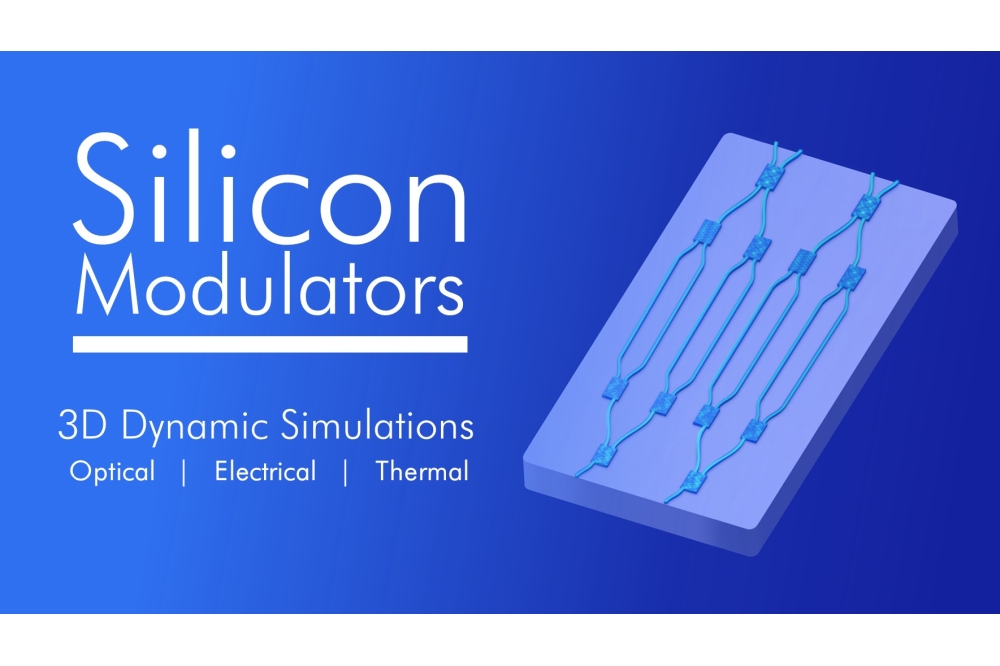
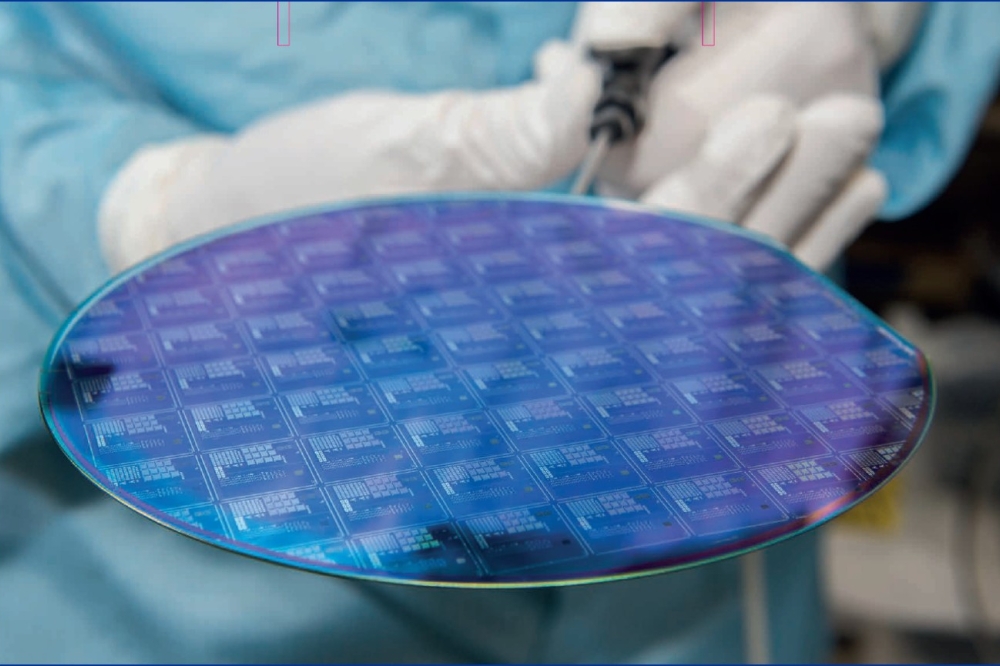
While silicon photonics remains the dominant platform due to its compatibility with established semiconductor manufacturing processes, researchers are also advancing alternative technologies.
Thin-film lithium niobate (TFLN) is emerging as a candidate for ultra-high-speed optical switching, while polymer-based photonics and gallium-compound materials are being explored for interconnect, sensing and visible-light applications.
Despite these advances, a complete transition from electronics to photonics is considered unlikely in the near term.
Industry experts note that photons are highly effective for transmitting information, while electrons remain better suited for switching and computational tasks.
As a result, co-packaged optics (CPO) and other heterogeneous integration approaches are gaining momentum.
These architectures combine photonic and electronic integrated circuits within the same system, reducing signal losses and overcoming bandwidth limitations associated with conventional copper interconnects.
The trend suggests that future computing platforms will increasingly rely on complementary electronic and photonic technologies, with each performing the functions for which they are best suited.