Europe & South Korea Advance Low-Energy Photonic AI

Researchers in Europe and South Korea have launched a €1.49 million initiative to develop photonic processors aimed at reducing the energy footprint of artificial intelligence systems.
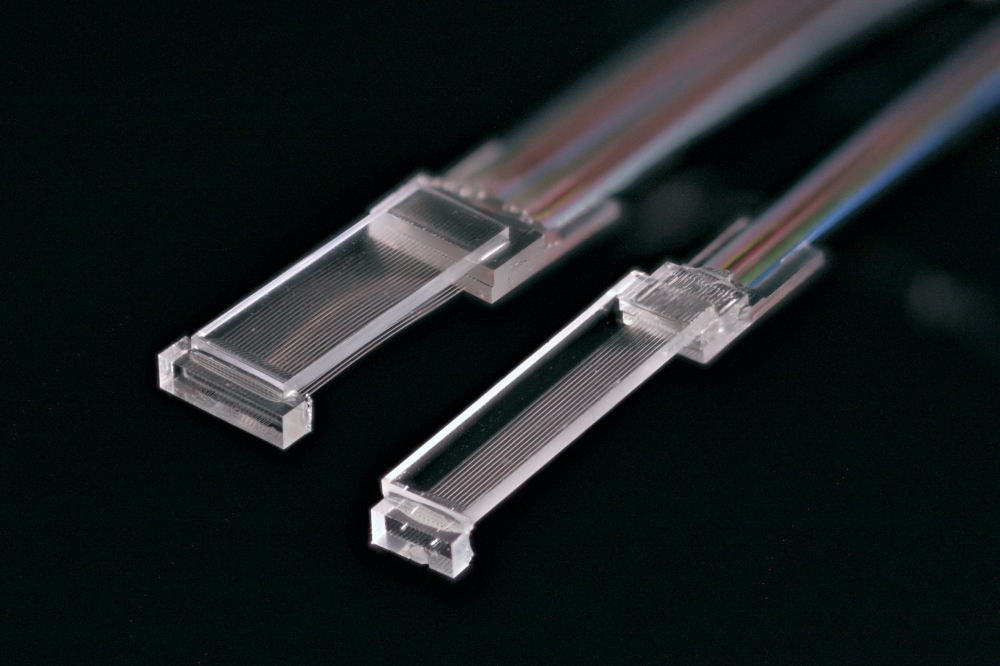
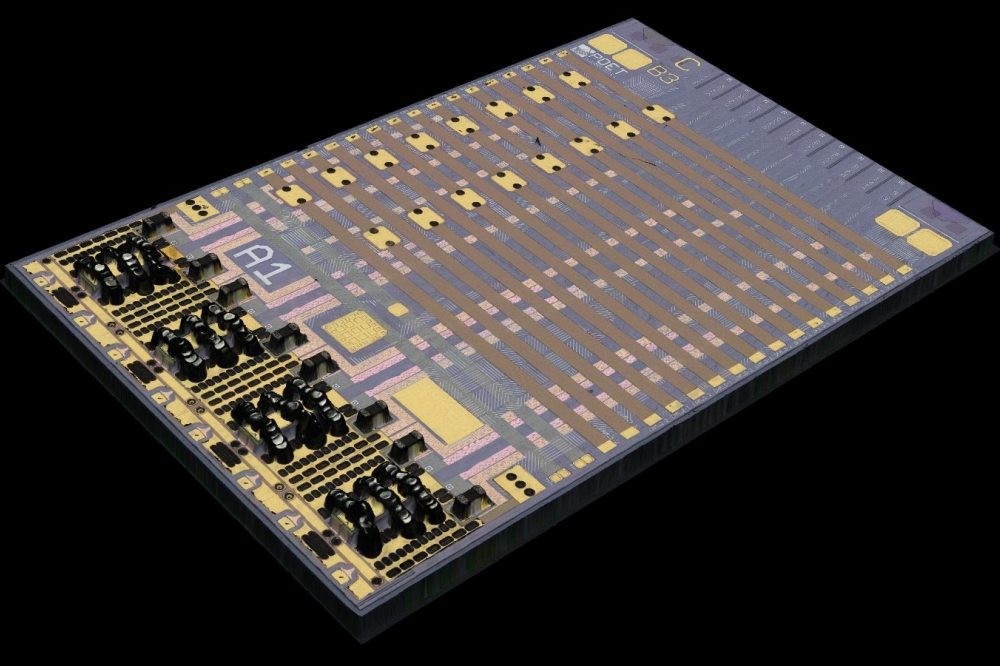
The HAETAE project, funded through Horizon Europe and the Chips Joint Undertaking, is focused on advancing photonic integrated circuits (PICs) that use light rather than electrons to perform key computing functions.
As AI workloads expand across consumer and enterprise applications, data centre electricity demand continues to rise. Training and inference tasks operating at scale are placing increasing pressure on power infrastructure, prompting renewed interest in hardware-level efficiency improvements.
The HAETAE consortium argues that photonics-based processing could offer a pathway to higher performance with lower heat generation and reduced cooling requirements.
The project applies optical communication principles already widely deployed in fibre networks to computing architectures. By integrating photonic components directly onto chips, researchers aim to reduce reliance on electrical interconnects in parts of the AI compute pipeline.
“By using light rather than electricity to perform calculations, we can make AI dramatically faster and far more energy-efficient, while opening the door to entirely new computing capabilities,” said Miltiadis Moralis, project coordinator.
HAETAE is coordinated by Aristotle University of Thessaloniki and brings together academic and industrial partners across Europe and South Korea. Participants include imec in Belgium, AkhETonics in Germany, and South Korean institutes KAIST and DGIST.
Beyond performance gains, the consortium links photonic AI hardware to cybersecurity-focused cloud infrastructure and next-generation high-speed networks, where latency and bandwidth constraints shape system design.
The programme runs until 2027 and is expected to deliver advances in photonic integration, optical AI processing, and secure computing architectures.
The collaboration is also positioned as part of broader efforts to strengthen resilient semiconductor and photonics supply chains through cross-border partnerships.