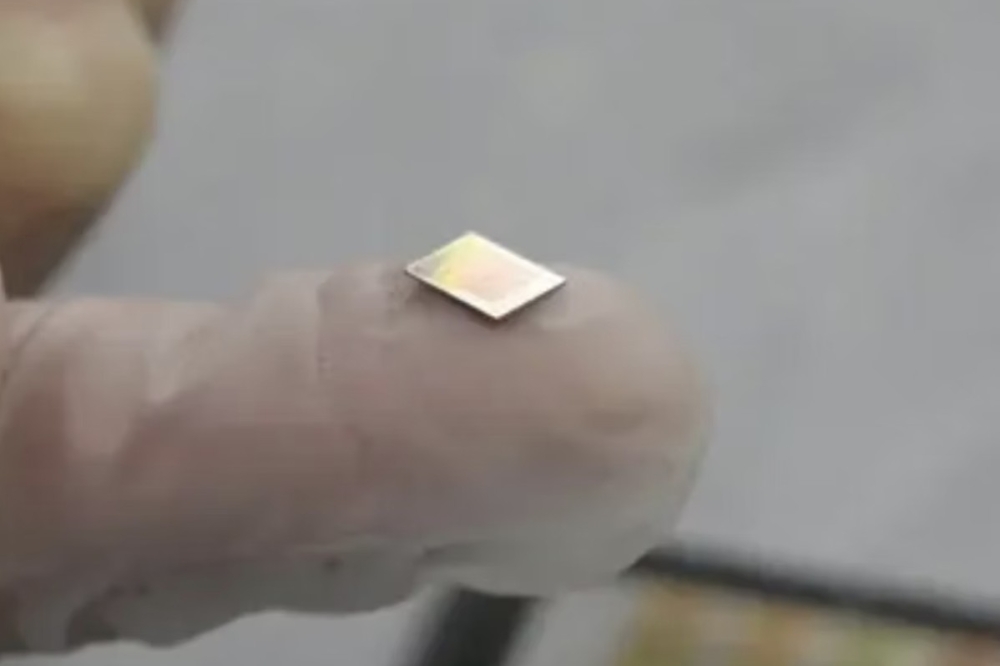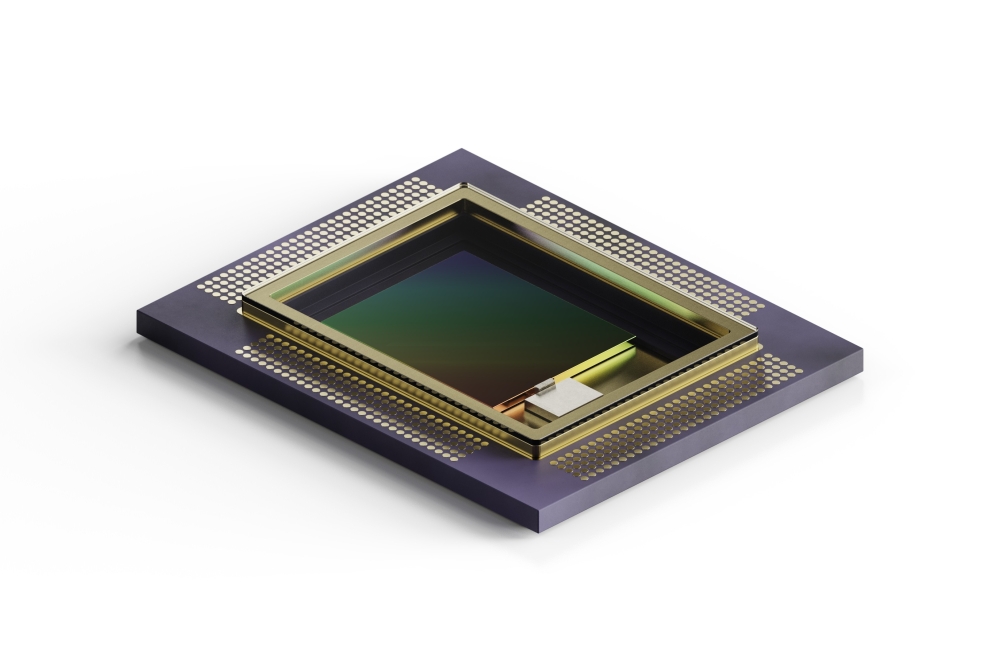
PICs gain momentum as data centres and security needs drive adoption

Photonic integrated circuits are gaining traction among hyperscale data centre operators as a response to growing power, bandwidth, and security constraints in digital infrastructure.
Rising demand from artificial intelligence workloads, blockchain systems, and global data flows is pushing conventional electronic interconnects toward their physical limits. Integrated photonics, which uses photons instead of electrons to transmit data, enables higher throughput and improved energy efficiency, making PICs a key technology for next-generation data centres.
Unlike the telecom fibre rollout of the early 2000s, current adoption of integrated photonics is being driven by active and increasing demand rather than speculative expansion. Hyperscalers are investing in optical interconnects to scale computing capacity while containing energy consumption amid rising costs and sustainability pressures.
Security is also emerging as a significant driver. Photonic architectures reduce attack surfaces by eliminating conductive pathways and enable hardware-level cryptographic functions, including true random-number generation, which supports emerging quantum-resistant security requirements.
Despite strong momentum, technical challenges remain. Heterogeneous integration of materials such as silicon, silicon nitride, and indium phosphide continues to present thermal and alignment issues, while existing packaging techniques struggle to meet the submicron tolerances required for high-density optical coupling.
Quantum computing represents an additional growth area for PICs. Photonic interconnects offer a solution for connecting cryogenic quantum systems to room-temperature electronics without the heat and bandwidth limitations of copper interconnects.
Industry observers note that continued progress will depend on advances in manufacturing, packaging, and system-level integration as PICs move from development into large-scale deployment.