Global PIC market set to more than double by 2030

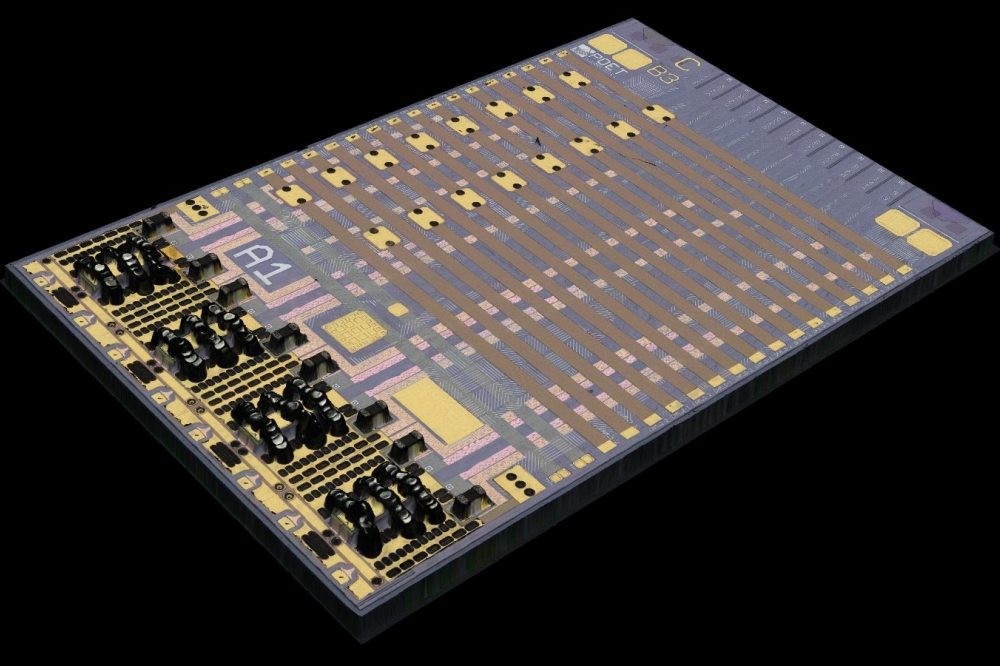
The global PIC market is projected to more than double by 2030, driven by surging demand from data centres, cloud computing, and emerging quantum applications.
The global photonic integrated circuit (PIC) market is poised for rapid expansion, with its value expected to grow from $18.73 billion in 2026 to $42.21 billion by 2030, according to the Photonic Integrated Circuit Market Report 2026 released by Research and Markets.
The market is forecast to maintain a strong compound annual growth rate (CAGR) of 22.5%, driven by rising demand for high-speed data transmission and advances in semiconductor manufacturing.
Growth is being fuelled by the continued expansion of data centres, cloud computing, and optical fibre networks, alongside emerging applications in quantum computing.
Increasing adoption of energy-efficient photonic technologies in healthcare and life sciences, as well as the push toward autonomous and smart vehicles, is further accelerating market momentum.
High-speed internet deployment remains a key catalyst for PIC adoption. National broadband initiatives, such as Canada’s target to achieve 98% high-speed internet coverage by 2026, highlight the growing reliance on photonic integrated circuits to support faster, more efficient data transmission using light rather than electrical signals.
Innovation and strategic activity are shaping the competitive landscape. Companies such as Keysight Technologies are introducing advanced design tools to streamline PIC development, while mergers and acquisitions continue to strengthen capabilities in next-generation computing.
In June 2025, Pasqal’s acquisition of Aeponyx underscored the increasing role of PICs in enabling scalable and fault-tolerant quantum computing systems.
Major industry players, including Huawei Technologies, Intel, IBM, Cisco, and Fujitsu, are leading the market while navigating challenges such as tariffs and supply-chain pressures, particularly across Asia-Pacific and North America.
As demand accelerates across telecommunications, data centres, healthcare, automotive, and defence sectors, photonic integrated circuits are set to play a central role in the future of high-performance and energy-efficient digital infrastructure.