Luminar to sell photonics subsidiary to Quantum Computing Inc. in $110M deal

Luminar Technologies has agreed to sell its wholly owned subsidiary, Luminar Semiconductor, Inc. (LSI), to Quantum Computing Inc. (QCi) in an all-cash transaction valued at $110 million, a move that significantly expands QCi’s photonic integrated circuit (PIC) technology portfolio.
The transaction, announced alongside Luminar’s Chapter 11 bankruptcy filings, is subject to approval by the U.S. bankruptcy court through a Section 363 sale process. QCi will act as the stalking horse bidder, purchasing LSI’s equity unless a higher or better offer emerges. Luminar emphasized that LSI is not a debtor in the Chapter 11 proceedings and will continue operating in the ordinary course of business.
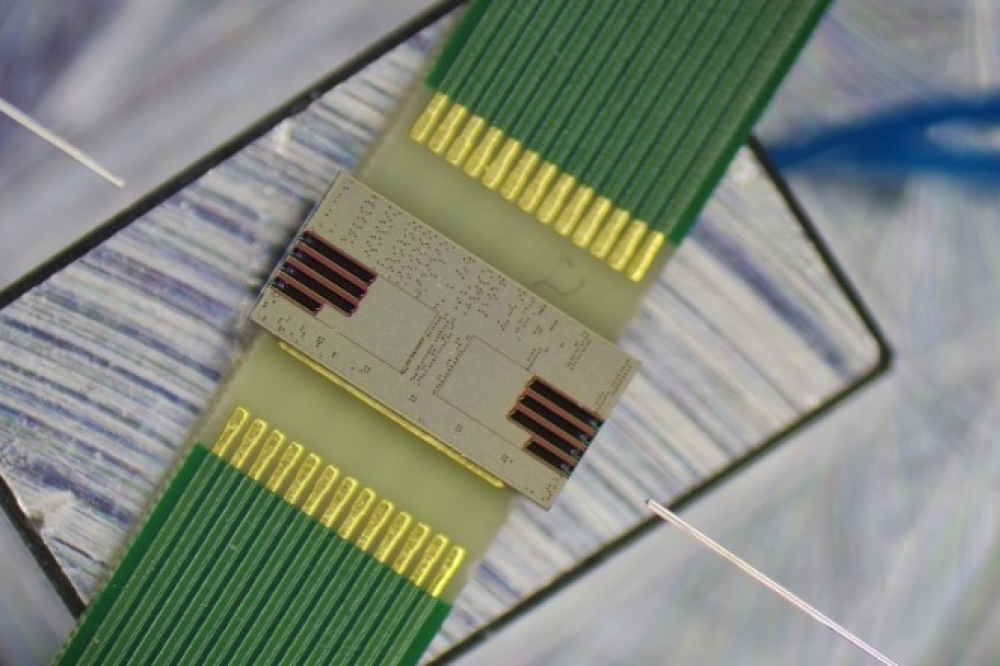
Founded in 2021, LSI was created to internalise Luminar’s development of advanced laser, receiver, and processing chip technologies. The subsidiary consolidates several photonics companies acquired by Luminar, including Black Forest Engineering, Optogration, Freedom Photonics, and EM4. Together, these entities provide a broad portfolio spanning photonic integrated circuits, tunable and pump lasers, avalanche photodiode (APD) detectors, ASICs, passive micro-optics, and integrated photonic modules.
For QCi, the acquisition represents a major step in accelerating its photonic roadmap while maintaining and expanding LSI’s existing commercial customer base. The deal also strengthens QCi’s in-house engineering capabilities, adding a seasoned team of photonics scientists and engineers with experience across defence, telecom, industrial, and sensing markets.
The transaction further deepens personnel ties between the two companies. Pouya Dianat, QCi’s current chief revenue officer, previously served as director of PICs and foundry services at QCi Foundry and earlier worked at Optogration as a senior photonics engineer following its acquisition by Luminar.
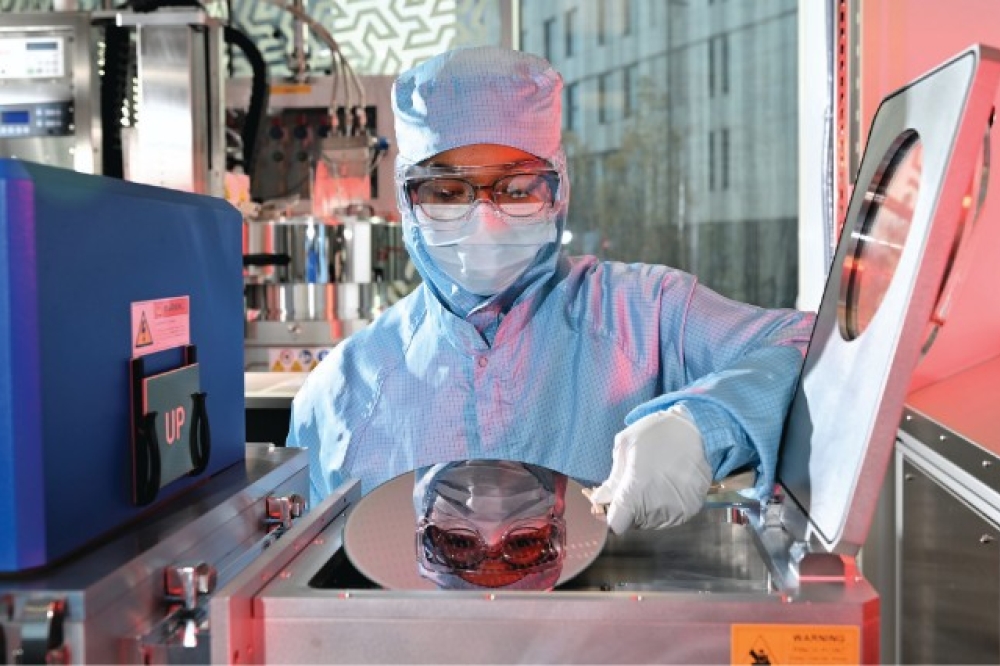
The acquisition follows an active year for QCi, which raised more than $1 billion through securities purchase agreements and private placements to fund commercialisation and strategic acquisitions. Among its recent milestones is the launch of a quantum photonic chip foundry in Tempe, Arizona, located at the Arizona State University Research Park. The facility is designed to produce thin-film lithium niobate (TFLN) photonic chips for customers, including the National Institute of Standards and Technology (NIST) and a Fortune 500 science and technology company serving defence, intelligence, civil, and commercial markets.
According to QCi CEO William McGann, all capital equipment for the Tempe site has been installed, with commissioning expected to be completed in the first quarter of 2026.
In parallel, QCi recently announced a strategic collaboration with POET Technologies to develop 400G-per-lane TFLN modulator-based 3.2-Tbps optical engines, underscoring its broader push into high-performance photonic integration.
If completed, the LSI acquisition would position QCi as a more vertically integrated player across PIC design, fabrication, and module-level integration, while marking a significant transition for Luminar as it restructures its core business.