Xanadu selects MPI probe systems for scalable testing of quantum photonic chips

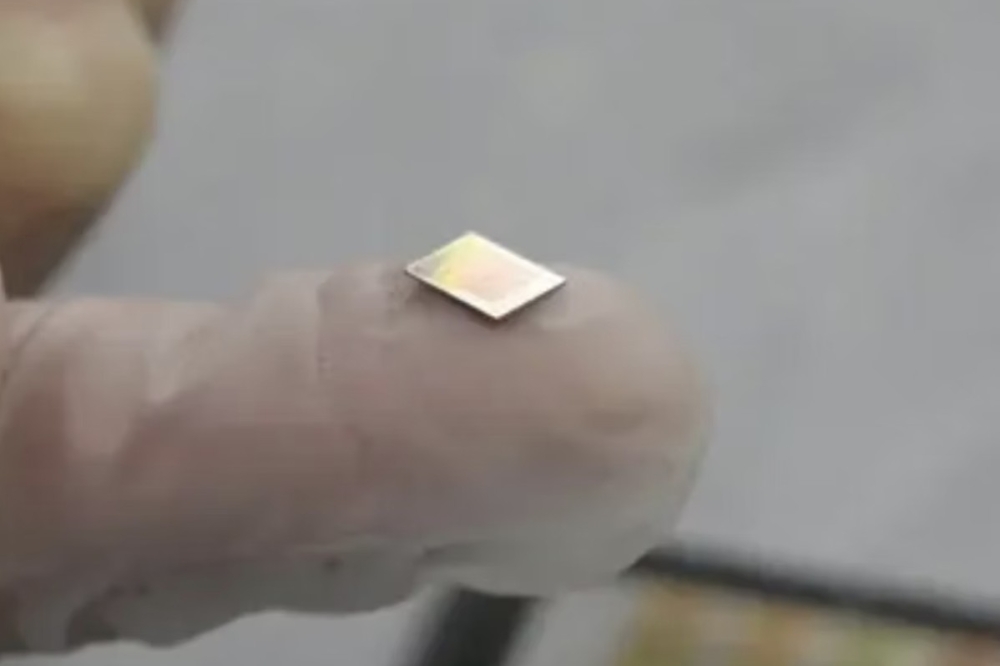
Canadian quantum computing company Xanadu Quantum Technologies Inc. has selected MPI Corporation’s TS3500 scalable electro-optic probe systems to support wafer-level testing of its integrated quantum photonic chips.
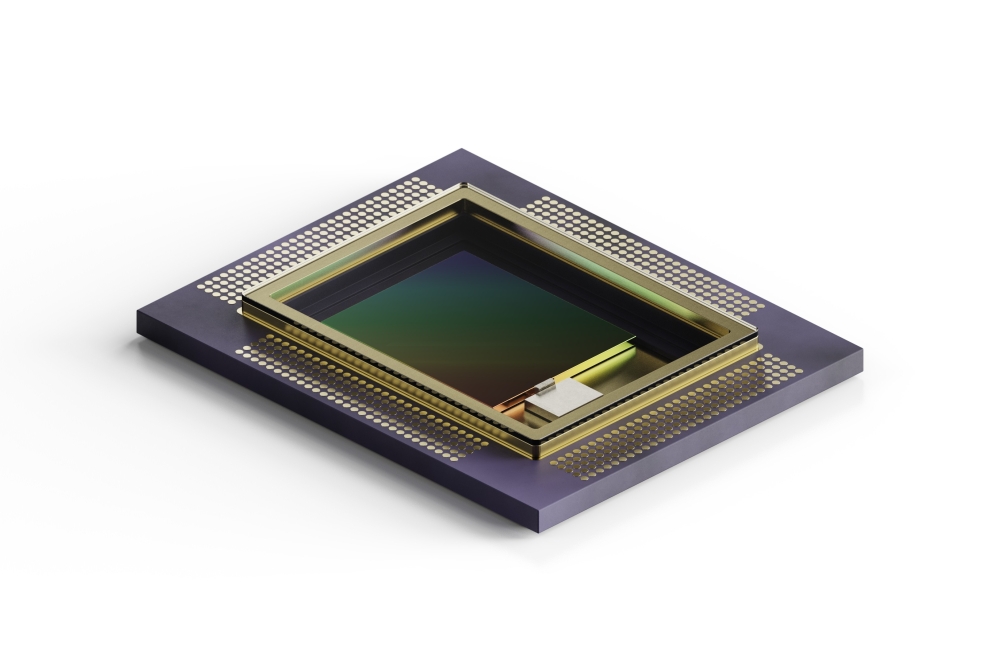
Xanadu’s photonic quantum computing architecture is based on light-based qubits that are generated, manipulated, and entangled on silicon photonic integrated circuits (PICs). The approach offers several advantages over other quantum platforms, including room-temperature operation, high qubit connectivity, and a modular, network-compatible design, key requirements for fault-tolerant, utility-scale quantum computers.
Xanadu aims to bring fault-tolerant quantum systems to market by 2029, targeting applications across biomedical research, optical communications, AI, aerospace and defence.
As Xanadu scales its device portfolio encompassing optical ring resonators, Mach–Zehnder modulators, photodetectors, wavelength-selective filters, and other passive and active photonic components, precise and repeatable wafer-level characterisation has become increasingly critical.
Even minor variations in optical alignment or environmental stability can significantly affect performance metrics such as insertion loss, responsivity, stability and yield, particularly when testing across full 6-, 8- and 12-inch wafers.
MPI’s TS3500 probe systems, combined with its SENTIO® automation software, address these challenges by enabling high-throughput, multi-channel optical testing with robust alignment control. SENTIO® automates fibre array unit (FAU) calibration and compensates for mechanical drift and thermal expansion during both ambient and temperature-controlled testing. This capability is especially relevant for Xanadu, which conducts wafer-level testing in a high-rise downtown Toronto facility where vibration and thermal variability can impact measurement repeatability.
The test configuration integrates tunable laser sources, polarisation control, optical matrix switching and multi-channel power measurement to enable parallel characterisation of grating-based EPICs. Automated FAU positioning and alignment ensure consistent optical coupling throughout wavelength-dependent measurements, a key requirement for validating device designs and identifying fabrication-induced variations.
According to the companies, the collaboration supports Xanadu’s broader goal of scaling quantum-ready photonic platforms while maintaining the measurement accuracy and throughput needed for future large-volume production.